

Research, discoveries, and discussion across all scientific disciplines

2 members Created Sep 2026
Double axes and coarse pottery reveal connections across the Rhine 5,000 years ago

Sebastian Schultrich of Kiel University's ROOTS Cluster links double axes, coarse pottery and collective graves from both sides of the Rhine to shared late Neolithic networks, challenging the river's assumed role as a barrier. His Germania study dates French axe variants to the fourth and early third millennia B.C. and finds common traditions with strong regional differences.

Dark energy may have flipped from negative to positive 9.5 billion years ago

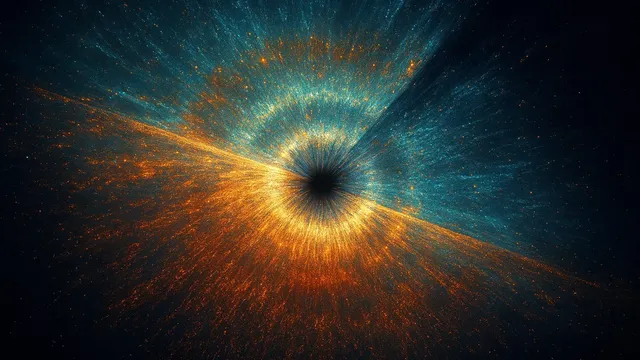
Researchers led by Özgür Akarsu at Istanbul Technical University report that an overlooked branch of teleparallel f(T) gravity can make effective dark energy density negative in the early universe, cross zero near redshift 1.5, and later turn positive. They say this sign change arises without extra parameters and may inform Hubble-tension work, though DESI data do not yet establish evolving dark energy.

Oʻahu infrastructure threatened by tipping point in sea-level rise impacts

A University of Hawaiʻi at Mānoa study finds that projections counting only rising ocean water miss up to two-thirds of threatened land and 85% to 100% of at-risk infrastructure on Oʻahu. Adding shoreline erosion and high-wave hazards, researchers identify a tipping point between 2073 and 2102 when affected buildings, residents, roads and sewer mains roughly double.

Act now against El Niño or costs will double, UNDP warns

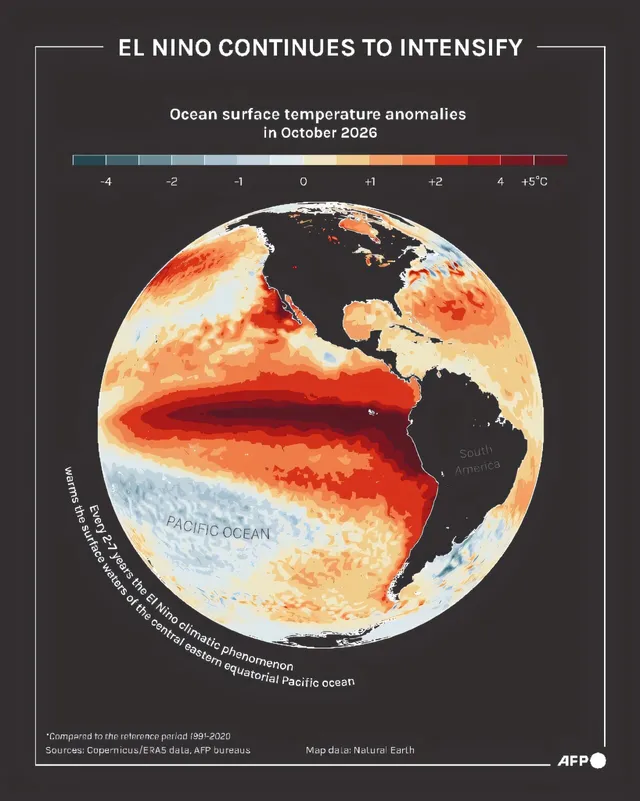
UNDP chief Alexander De Croo told AFP at the COP31 talks in Antalya that spending $36 billion now to prepare for El Niño would be half the $73 billion cost of waiting. A UNDP report cited African Development Bank estimates of $10–20 billion in damage across African countries, while a U.N. commission projected Latin American GDP losses of at least 2% over three years.

New research reveals when humor helps—and hurts—recruitment success

Research led by David Cheng of the Australian National University indicates that humorous job advertisements can make employers seem less likely to run fair and just HR processes, and in some cases left candidates less willing to apply, though humor also made organizations appear friendlier. The study in the International Journal of Selection and Assessment drew on several experiments with more than 750 job seekers who reviewed ads modeled on Seek.com.au listings.

Stopping statins after 70 may be safer than expected, but there's a catch

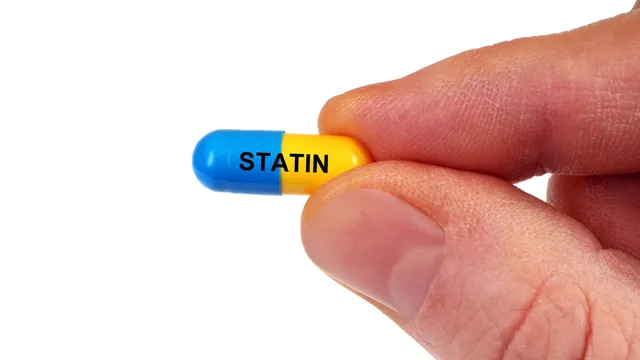
A preliminary trial of 1,880 adults aged 70 and older without prior cardiovascular events found that stopping statins did not significantly raise short-term heart attack, stroke, or death risk, but longer follow-up showed 12.7% versus 9.2% for those continuing. The researchers said discontinuation should be individualized rather than a general recommendation.

Optical system maps multiple infrared fields onto one small detector

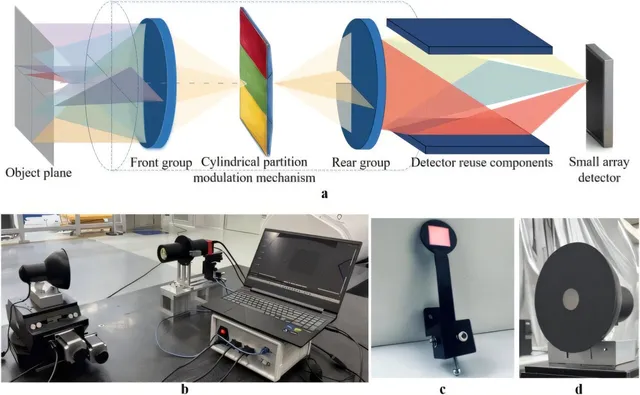
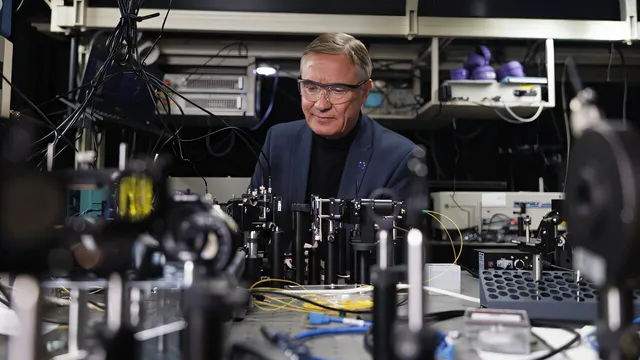
Researchers at the Changchun Institute of Optics, Fine Mechanics and Physics designed an optical system that maps several infrared subfields onto one small detector, encoding field identity in the shape of the point spread function. In sequence-level tests the correct field was identified in about 89% of cases, though alignment errors, detector noise and a finite number of separable spot patterns limit the approach.

SpaceX Starship test to attempt first-ever spaceship 'catch'

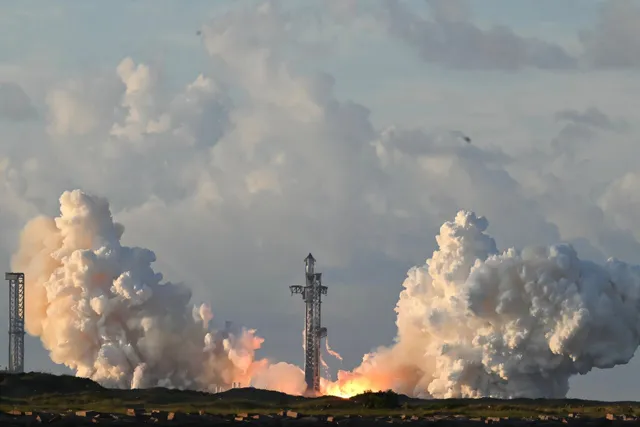
SpaceX planned its 15th Starship test flight from the Starbase site in Texas, aiming to catch the rocket's upper stage with tower arms after roughly a day in orbit. The company has already recovered the Super Heavy booster three times and says success would mark the first full recovery of an orbital launch system, though final FAA approval was still pending.

Light-activated molecules in porous crystals show potential for quantum chemical sensing

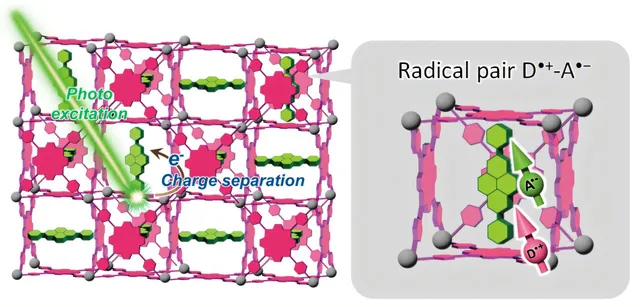
An international team led by researchers at the University of Tokyo and Northwestern University built ordered arrays of spin-polarized radical pairs inside porous metal–organic frameworks using light-excited molecules. The authors report that these radical pairs respond to certain chemicals and suggest such systems could lay groundwork for quantum chemical sensing, potentially improving methods like MRI.