
 sciencedaily.com/releases/2026/11/261120075549.htm
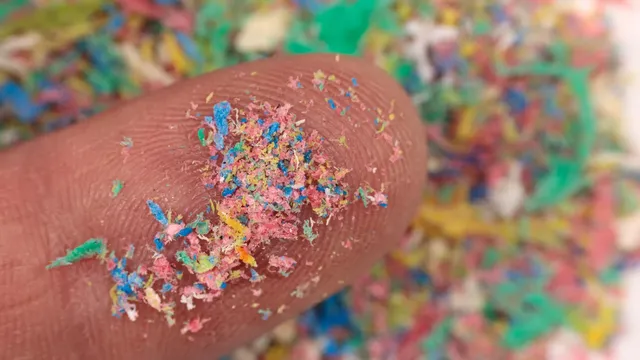
Microplastics may be more dangerous than we thought. Scientists just discovered why
New research in Nature finds that as plastic breaks into smaller particles, the expanded surface area lets hydrophobic microplastic surfaces drive electron transfer in surrounding water, generating reactive oxygen species. Columbia and UC Berkeley researchers say this offers a possible mechanism for biological damage seen after exposure, though it does not establish that the process causes specific human diseases.
