History

History

— Understanding the past through primary sources, analysis, and debate
1 members Created Sep 2026
AN

Ancient & Medieval

86 threads 0 followers
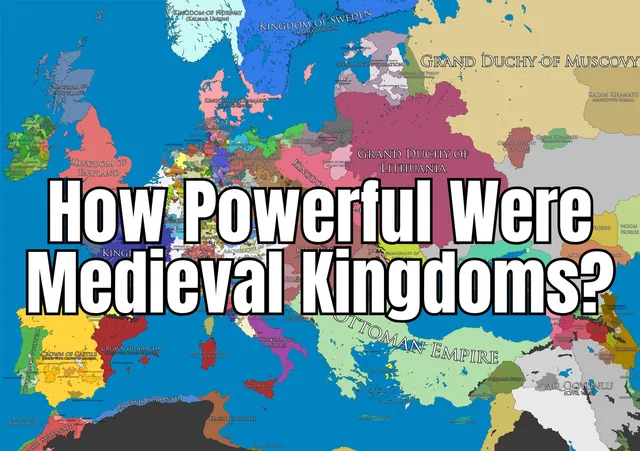
How Powerful Were Medieval Kingdoms? A Venetian Assessment from the Fifteenth Century

A fifteenth-century Venetian memorandum estimated how many horsemen and how much revenue dozens of European, North African and Asian states commanded. Its figures are often unreliable or exaggerated, and its dating is uncertain, but it shows how Venice judged rival powers, with Hungary rated highest among Christian kingdoms.

— via Medievalists.net, Medievalists.net

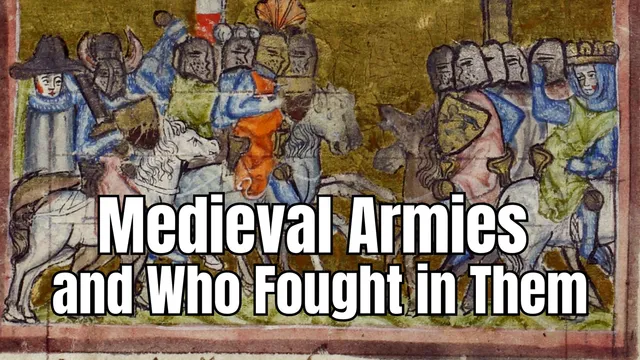
How Were Medieval Armies Organised? Lessons from a Thirteenth-Century Battle

At the Battle of Ane in 1227, Bishop Otto II of Utrecht gathered a very large army from knights, hired men at arms, the general levy and allied princes, yet it was defeated. A contemporary cleric blamed untrained, arms-unaccustomed troops, showing size did not guarantee strength, while Drenthe's rural levies fought well.

— via Medievalists.net, Medievalists.net
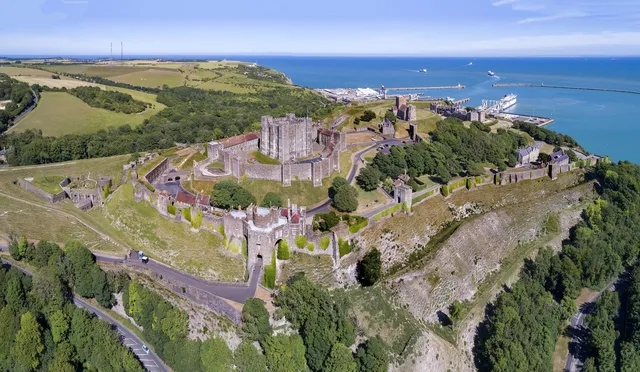
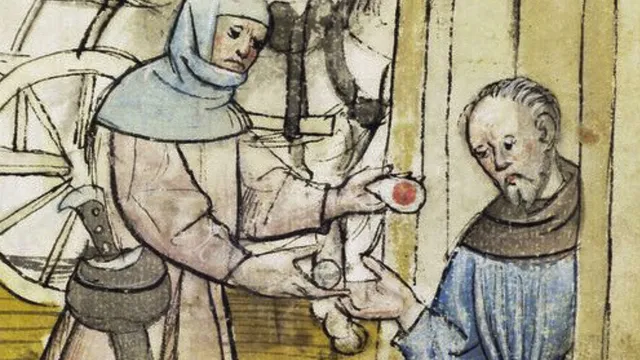
Medieval Castle Chapel in Germany to Undergo Restoration

A €40,000 grant will pay for a new slate roof on the chapel tower at Falkenstein Castle, a privately owned ruin above the River Our on the German-Luxembourg border. The money comes from the German Foundation for Monument Protection, funded by private donations and the GlücksSpirale lottery, and the castle's first written mention dates to 1192.

— via Medievalists.net, Medievalists.net
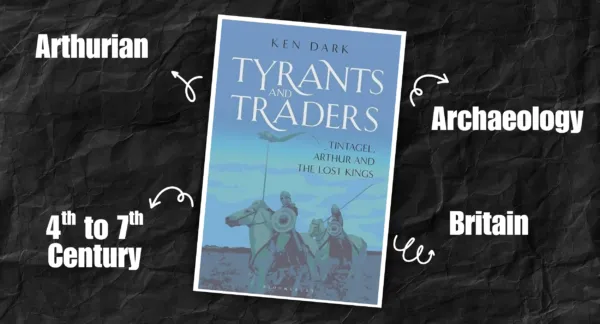
New Medieval Books: Tyrants and Traders: Tintagel, Arthur and the Lost Kings

Archaeologists still can't agree whether Roman Britain ended in a sudden collapse in the early fifth century or faded slowly, with Roman culture lingering into the sixth. A new book on western Britain uses archaeology and the writings of Gildas to trace its forgotten kingdoms, their trading networks and Tintagel's role as a royal stronghold.

— via Medievalists.net, New Medieval Books

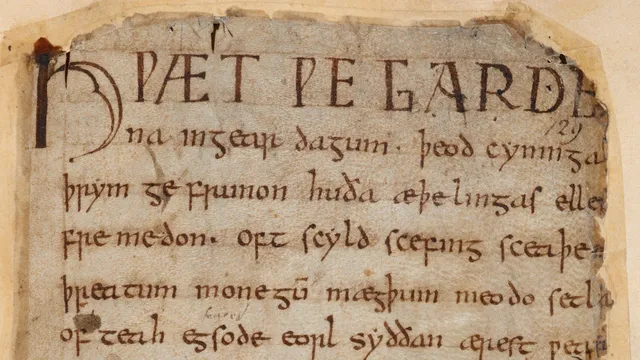
Was Beowulf the Villain? New Study Re-examines the Old English Epic

A single Old English word in Beowulf's fight with Grendel, inwitþancum, literally says the hero seized his foe "with malicious intentions," and translators from Tolkien to Heaney have softened it into anger or presence of mind. A new study argues the poet may have meant it, briefly adopting the monsters' point of view.

— via Medievalists.net, Medievalists.net

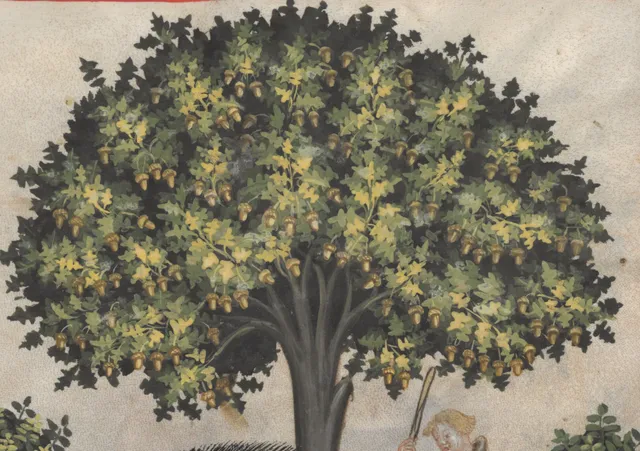
Ancient Oaks Reveal How the Black Death Changed Europe’s Forests

Radiocarbon dating of 47 oaks in Italy shows many of the trees took root between roughly 1400 and 1650, the centuries after the Black Death emptied the countryside. The researchers say the pandemic is the most plausible cause, since the same pulse of growth appears on a Tuscan island and in the Calabrian mountains.

— via Medievalists.net, Medievalists.net
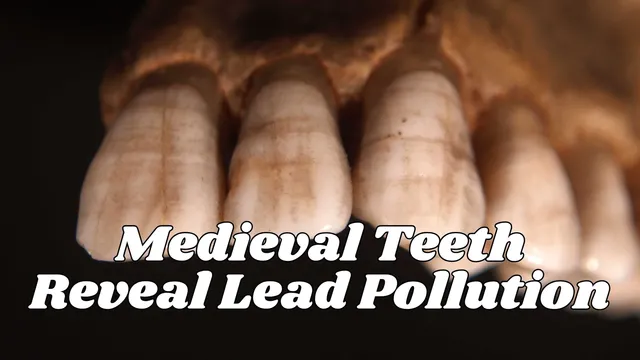
Medieval Teeth Reveal Toxic Legacy of Lead Mining in England

Tooth enamel from medieval Peak District children shows lead levels sometimes matching or exceeding those of people in heavily industrialised British cities between about 1750 and 1850. Of 15 medieval individuals tested, 14 topped 10 parts per million, and the data give the first securely dated evidence that lead production had resumed there by the mid-seventh century.

— via Medievalists.net, Medievalists.net
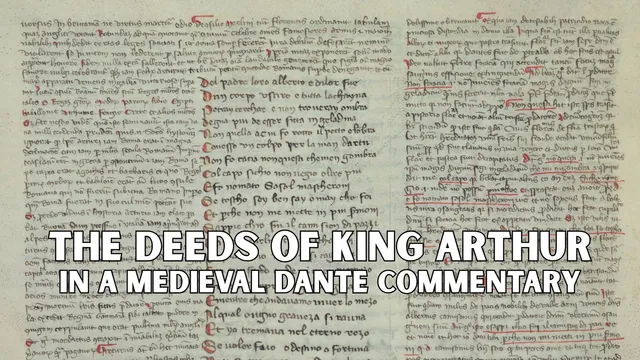
The Deeds of King Arthur in a Medieval Dante Commentary

Dante tells us Mordred sits in Caina, the ice-lake of Hell reserved for betrayers of kin, but he never says where King Arthur ended up. A fourteenth-century Dante commentator filled the gap with a gloss on Arthur's death, borrowing from Boccaccio and Geoffrey of Monmouth's chronicle, and it's newly translated here.

— via Medievalists.net, Medievalists.net
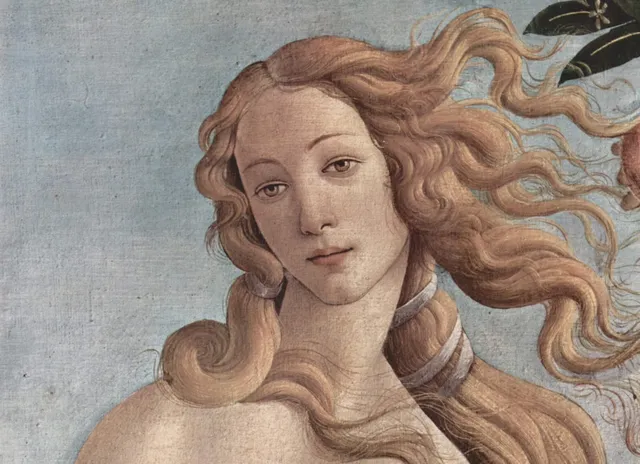
Did Botticelli’s Venus Die from a Brain Tumour? New Study Offers Evidence

A new study argues that the swollen eyes and squint in Botticelli's paintings of Simonetta Vespucci point to a pituitary tumour, not the tuberculosis historians have generally blamed for her death at 23. The researchers read the features as signs of a large tumour pressing on nerves that control eye movement.

— via Medievalists.net, Medievalists.net