Books

Books

— Literature, criticism, publishing, and the reading life
1 members Created Sep 2026
RE

Reviews & Criticism

103 threads 0 followers
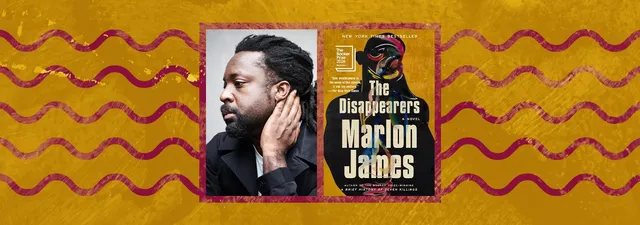
“I wasn’t interested in writing gay intimacy for straight people”: Marlon James on “The Disappearers”

In an interview about his new novel The Disappearers, Marlon James discusses its queer characters in 1980s Kingston, revenge, masculinity and violence, and how his characters take over his plans. He says he wrote it for the queer gaze, not for straight readers.

— via Chicago Review of Books, Stephen Patrick Bell

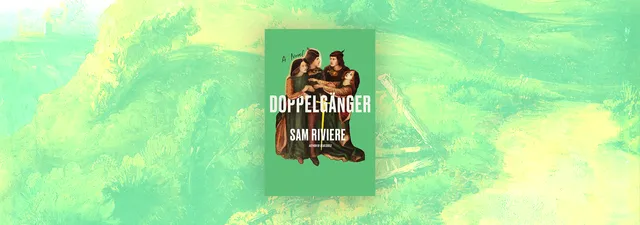
The You Reflected in Me in “Doppelgänger”

A review of Sam Riviere's novel Doppelgänger, set at a fictional English author academy where students begin mirroring one another. The reviewer finds the book's treatment of doubling, loneliness and creativity fascinating, while faulting its repeated, underexplored remarks about American students' bodies.

— via Chicago Review of Books, Gianni Washington

“Whalefall” Tries to Dive Deep But Falls Short

A review of the film adaptation of Daniel Kraus's novel Whalefall, in which Jay Gardiner dives to recover his father's remains and is swallowed by a whale. The critic praises Austin Abrams' performance and the practical effects but finds the flashbacks heavy-handed and the CGI damaging to the emotional climax.

— via Chicago Review of Books, Ashley Hatzenbihler

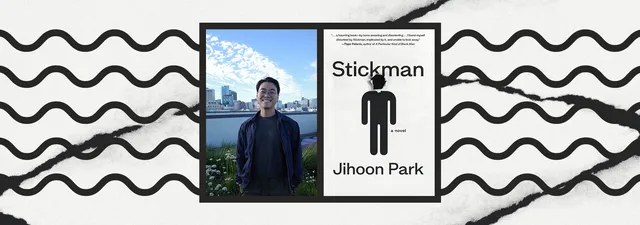
On Writing a School Shooter: A Conversation with Jihoon Park

Jihoon Park says his debut novel Stickman began as a hybrid of fiction and nonfiction about the psychology of school shooters, and only came together once he rebuilt it as a dual character study. In research for the book, he found that even shootings labeled political or ideological often carry grand motives that mask underlying emotional and mental struggles.

— via Chicago Review of Books, benjamin inks

Book Stuff: Writer Natasha Lennard on how to create new political realities

The times aren't uncertain, the argument goes; our language just makes them feel that way. In On Un/Certainty, Natasha Lennard draws on Wittgenstein to pick apart bedrock claims like "the border is insecure" and the idea that climate change needs artificial superintelligence to solve.

— via Chicago Review of Books, Tucker Legerski

Meghan O’Rourke, Zaina Arafat, Philippa Gregory, and more: 20 new books out today!

After a nearly relentless run of blockbuster novels, this week's new releases skew toward nonfiction, including Lawrence Wright's Redemption, Blake J. Harris's biography of Larry David and Thomas Frank's takedown of the innovation myth. Poetry from Meghan O'Rourke and Lindsay Turner also lands on the list.

— via Literary Hub, Julia Hass

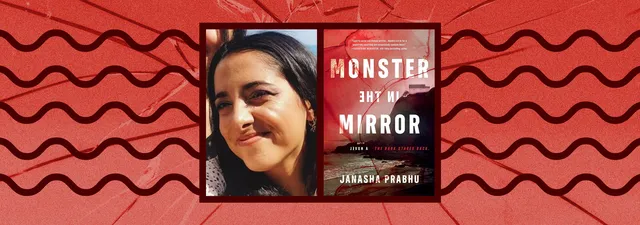
Not Your Average Murder in a Small Town: An Interview with Janasha Prabhu

Janasha Prabhu spent about eight years writing Monster in the Mirror, a thriller about a serial killer's niece who is stalked by her uncle's copycat. She says she deliberately gave the killer little depth, because media coverage of true crime too often makes killers infamous and leaves victims forgotten.

— via Chicago Review of Books, Devi Bhaduri

On Writing About Syria’s Uyghur Community As a Chinese-American

Emily Feng spent months negotiating the first on-the-record media interviews with Uyghurs in northern Syria, a community of roughly 20,000 that Beijing cites to justify its mass detentions in China. She took off her jade bangle and held back her Mandarin to avoid triggering trauma, then found many of them were eager to speak it.

— via Literary Hub, Emily Feng

The Bloody Honesty of Motherhood in “Don’t Leave Her Alone”

Desirée de Fez's novel opens with two sisters and their mother hovering over their children, then turns to body horror when a band of blood appears across all three women's stomachs on Christmas Eve. Tentacles come out of Alba's abdomen, and the hallucinations that follow force her to ask who she is when she isn't blurred into her family.

— via Chicago Review of Books, Leah Rachel von Essen

How the Growing Role of Memoir in the Academy Offers a New Way to Teach Race and Gender

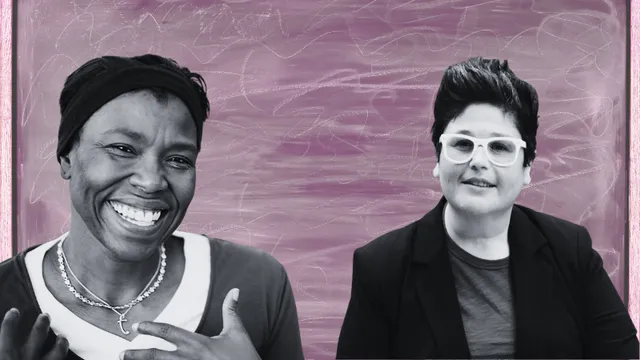
Sociologists Tiffany Gayle Chenault and Georgiann Davis say academic training leaves scholars unready to write for a general audience. Chenault needed two developmental editors to get there, and Davis argues colleagues should stop avoiding their own positionality out of fear of seeming biased.

— via Literary Hub, Tiffany Gayle Chenault and Georgiann Davis