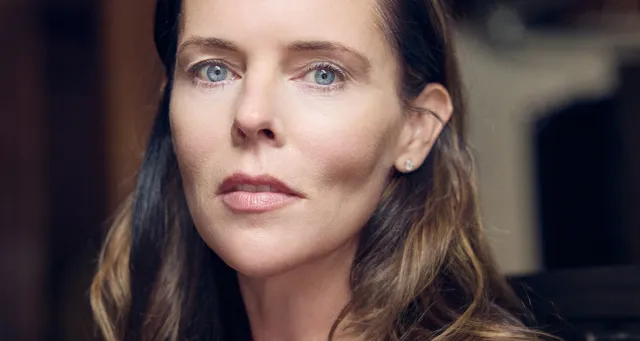
Natasha Trethewey’s remarks honor John Edgar Wideman at the Harper’s Magazine Awards, where he received the Lewis H. Lapham Award for Literary Excellence. She recalls his teaching and says his nearly six decades of writing engage American history, race, culture and justice.
Authors & Interviews
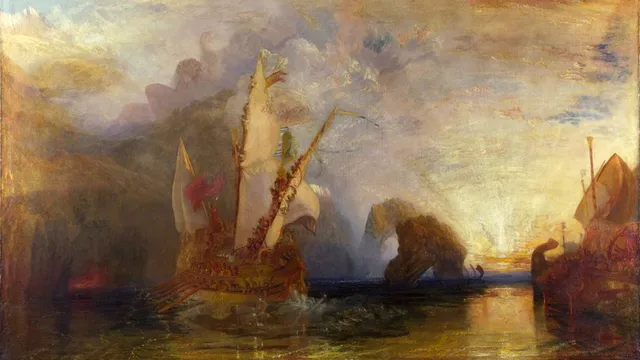
Schneider K. Rancy explains how Derek Walcott’s Omeros changed his view of classical epics and encouraged him to write a novel shaped by his Haitian immigrant background and Caribbean homeland.
In an interview, Mary Beth Keane discusses Whale Harbor, her fifth novel, tracing an Irish family that migrates to England, Montana and New York. She explains how her father’s family history inspired the book while the novel remains fiction.
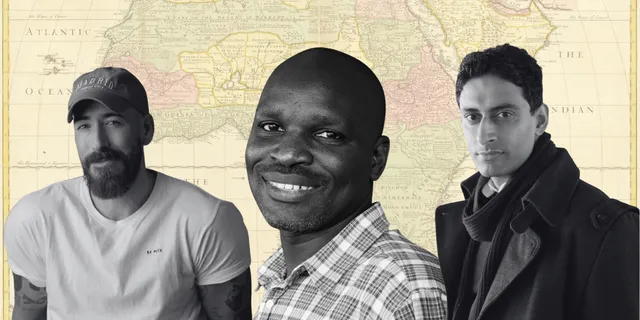
An interview with Karina M. Szczurek and authors Dilman Dila, Sven Axelrad and Faraaz Mahomed explores how ghosts, spirits and magical realism shape contemporary African fiction and its treatment of memory, identity and history.
Nurse and author Theresa Brown recounts how a patient's sudden death pushed her to write, leading to a New York Times essay and a career as a nurse-writer. She explains how moving from dense academic prose to spare, concrete language shaped her work, which still draws on poetry by Donne and Blake.
Poet Diana Arterian introduces Rebecca Perry's Booker-shortlisted novel May We Feed the King, about a curator who stages historical meals and becomes consumed by a Medieval king's court. Perry then shares her nightstand: books by Anne Carson, Lorca and Will Keohane, plus anticipated reads.
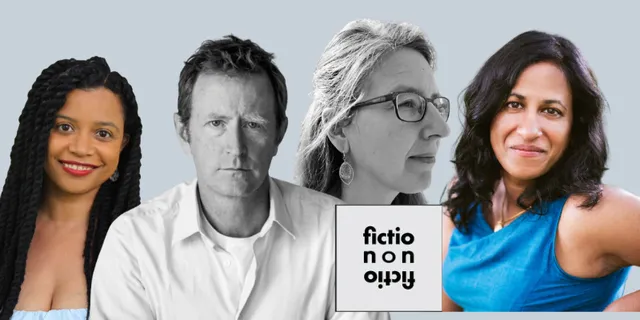
Fiction/Non/Fiction marks its tenth anniversary as co-hosts Whitney Terrell, V.V. Ganeshananthan and Jennifer Maritza McCauley, with poet Kathryn Nuernberger, recall the show's origins, its Midwestern and global focus, interview prep, and its premise that literature has already tackled today's news issues.
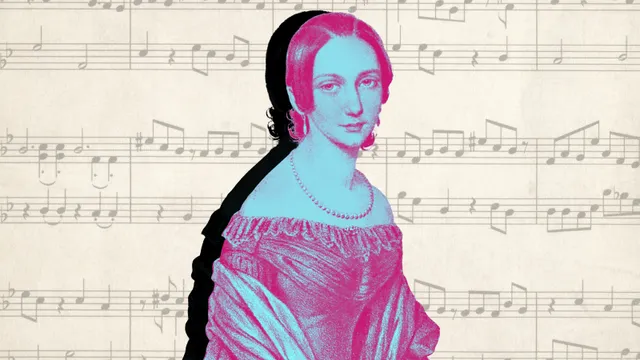
Biographer Sarah Fritz argues that women's biographies often default to men's perspectives, and describes how she centered Clara Schumann's own viewpoint in Madame Composer. She retold her prodigy years, previously narrated through her father's diaries, from Clara's perspective and challenged older assumptions about her self-doubt.
Poet Traci Brimhall describes how she wrote about her mother's death, borrowing poetic structures like the ghazal and elegy for essays, along with crocheting, embroidery and pilgrimage. She concludes that form helps her approach grief even without full consolation.
A fiction writer whose novel stalled explains how becoming a preacher in his mid-thirties changed his craft. Writing sermons for a congregation instead of an judging audience taught him to commit to a story's depth and to treat writing as practice rather than performance.
— via Literary Hub, Mindy Misener
Author Kate Maupin argues that post-apocalyptic fiction works as escapism as well as warning, and describes how raising a son with serious mental health struggles led her from fairy-tale fantasy to writing about collapse, loss and the light found in surviving it.
— via Literary Hub, Kate Maupin
A former junior doctor recalls the small, human details she gathered from patients' deaths in hospital, such as a bookmark and a raincoat. She concludes that death is understood through lived presence rather than textbooks, and that listening can matter more than trying to fix everything.
— via Literary Hub, Joanna Cannon
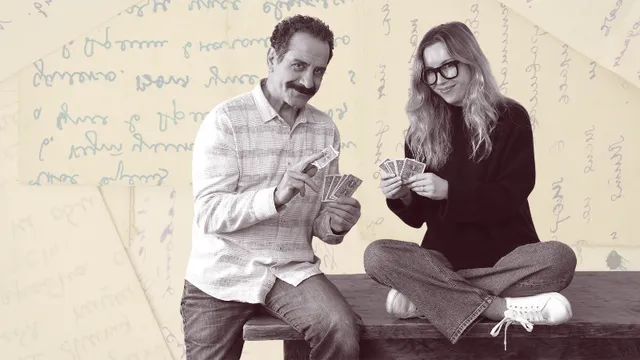
Josie Adams describes co-writing a culinary memoir with her father, actor Tony Shalhoub, in his first-person voice. She explains how the collaboration worked and how imagining his memories let her see him as an individual and speak, on the page, to a grandmother she never met.
— via Literary Hub, Josie Adams
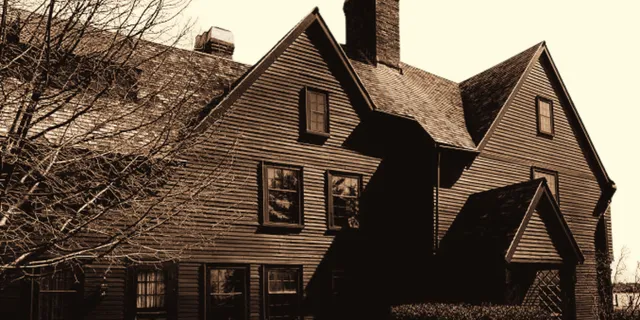
Debut novelist Ashley Woo explains how Salem, its witch trial history, and Hawthorne's The House of the Seven Gables inspired Wildwood, a Vermont-set gothic mystery about inherited estates, greed, ancestral sin and redemption.
— via Literary Hub, Ashley Woo
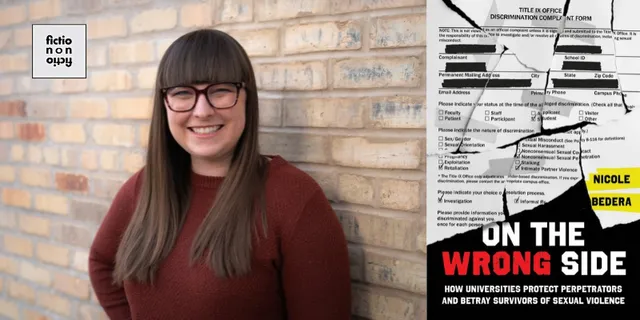
Sociologist Nicole Bedera discusses the Cornell 7 case and her book On the Wrong Side, tracing how Title IX came to cover sexual violence and how universities mishandle reports. She explains how the first Trump administration's regulatory changes made it easier for schools to avoid accountability.
— via Literary Hub, Fiction Non Fiction
Philippa Gregory's Royal Witch, Walter Mosley's Hanging and Burning and a memoir from Lil Jon titled I Only Shout So You Can Hear Me all land this week. The roundup also covers a nonfiction account of Texas nuns befriending women on death row and a new Susanna Clarke story set 700 years before Jonathan Strange and Mr Norrell.
— via Book Riot, Erica Ezeifedi
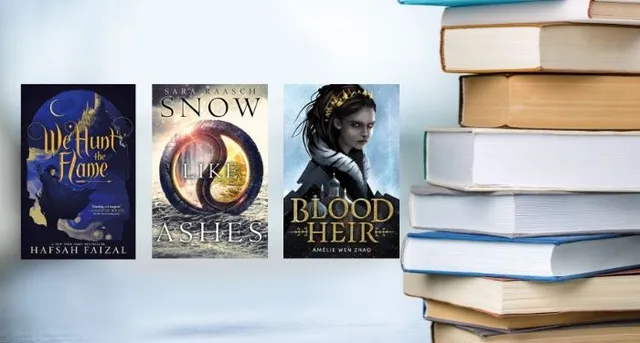
Amélie Wen Zhao, Hafsah Faizal and Melissa de la Cruz are among six YA authors with at least three series each, and one pick per author shows where to start. Zhao's Blood Heir, the first of her three, opens with a crown princess who controls blood and becomes the prime suspect in her father's murder.
— via Book Riot, Arvyn Cerezo
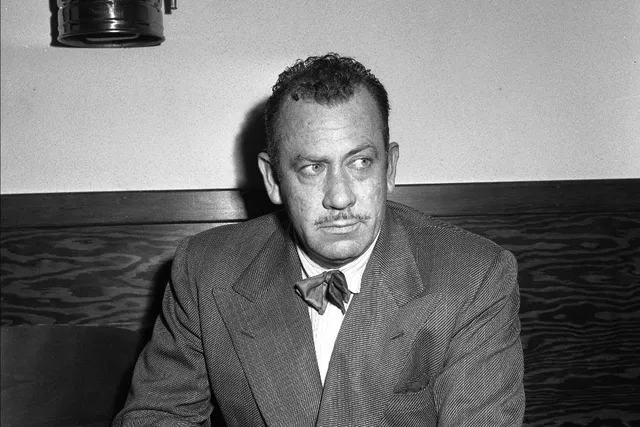
Steinbeck wrote unsent letters to his editor while drafting East of Eden, complaining that reviewers fear ideas and only accept parables "fully clothed with flesh." The Paris Review has unlocked both parts of his Art of Fiction interview, stitched from those letters, including his view of the writer as a distant star signaling out of loneliness.
— via The Paris Review, Hazel Byers
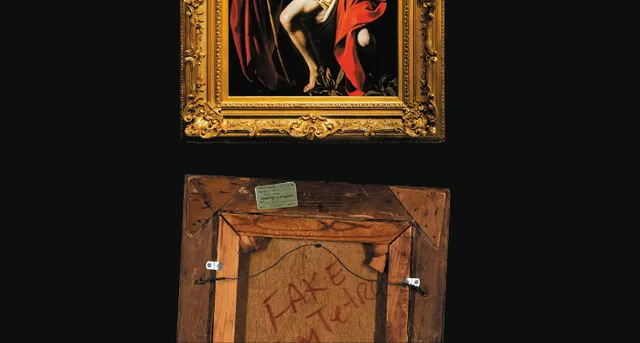
Doris Payne stole jewels on several continents for six decades, sold some of them to Hollywood celebrities, and was still getting caught at 84. Her memoir is one of eight nonviolent true crime picks, alongside a forger, a book burglar and a spy.
— via Book Riot, Danika Ellis
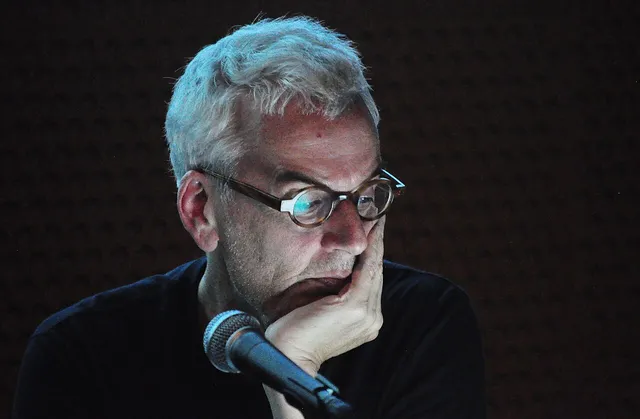
A poet got a call at seven in the morning that his friend of thirty years had died, and sat down to write a poem within hours. Geoffrey G. O'Brien explains how "Left," the first word of his elegy for Joshua Clover, carries a stance, a death, and a secret message its subject will never read.
— via The Paris Review, Geoffrey G. O’Brien