

A Brooklyn midterm event showed data centers and AI emerging as ballot-box issues, as residents raised local control, environmental risks and accountability, while a Data Center Watch report cited nearly $200 billion in projects delayed or blocked in the first half of 2026.
Technology
— Tech industry, products, and how technology shapes societyPolicy & Society

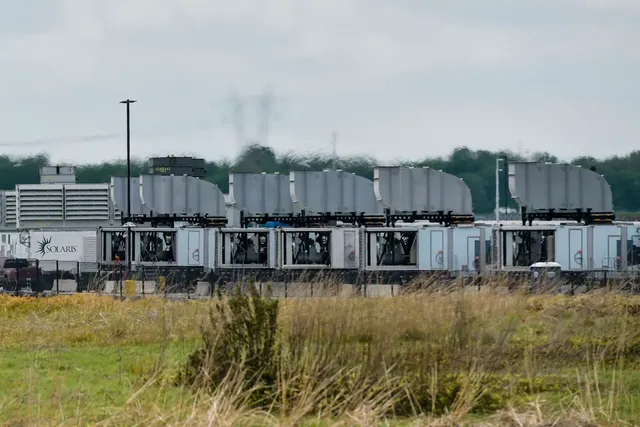
A federal judge refused xAI's request to dismiss an NAACP lawsuit claiming the company ran gas turbines at its Colossus data center near Memphis without required air permits. The judge found the plaintiffs had standing and rejected xAI's mobile-source argument, letting the Clean Air Act case proceed.

A report from STEM South West found that 81pc of parents still encourage school-aged children to pursue STEM careers despite concerns about artificial intelligence. The survey of 1,000 adults also linked frequent AI use to greater willingness to encourage STEM, with 36pc of daily users saying they would do so more than before.

The article argues proposed federal and New York stealth-crawler laws would require automated bots to identify themselves, burdening journalists, researchers and archivists who rely on anonymous scraping. It says the bills miss the actual harms and recommends conduct-based liability or technical standards instead.

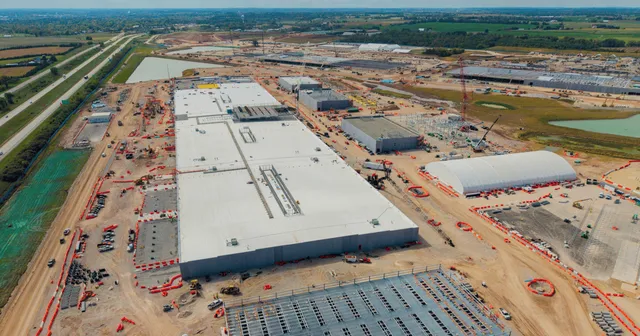
Data center projects can boost construction activity in smaller U.S. communities, but lasting gains depend on power, water, broadband and workforce capacity, the article says. McKinsey and IDC experts urge linking incentives to verified milestones and weighing operating benefits against public infrastructure costs.

Prediction markets such as Kalshi and Polymarket are expanding into U.S. elections, raising regulatory, foreign-interference and manipulation concerns while also creating financial barriers to participation. The article argues their framing as public-opinion gauges can distort voter perceptions and undermine trust.

A GAO review of 53 major federal IT modernization projects found that 24 carried more risk than agencies' CIO ratings showed, while 27 matched and two overstated risk. The article argues agencies need stronger risk assessment and mitigation, citing behavioral research on optimism and loss aversion.

Ofcom has recommended four methods for checking whether UK social media users are over 16, including photo ID matching, banking checks, face age estimation and digital ID. The measures, subject to government approval, would support a ban on under-16s using major platforms from March.

A University of Kentucky research administrator, David Durman, secured a religious accommodation to avoid workplace AI tools after arguing that humanist beliefs require him to do his own thinking. The university agreed in September, and the American Humanist Association supported his Title VII request.
Brazil’s 2026 presidential election became a case study in “platform illiberalism,” with reports alleging Meta limited President Lula’s Instagram reach while favoring far-right challenger Flávio Bolsonaro. Meta denied political bias and blamed technical failures, while the authors argue opaque platform governance is increasingly aligning with far-right politics.

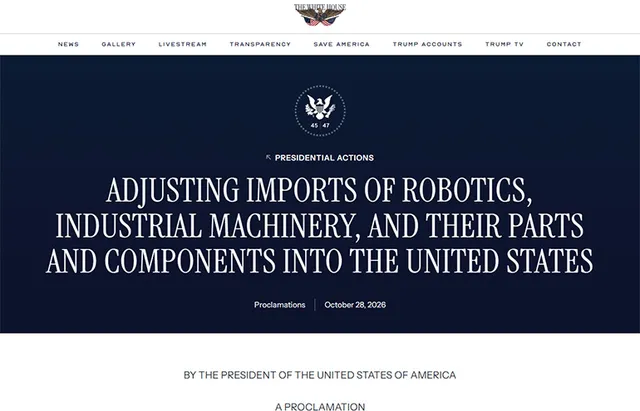
President Donald Trump issued a proclamation saying the commerce secretary found that imported robotics, industrial machinery and components threaten U.S. national security. The administration directed trade negotiations with partners, while experts said tariffs are not immediate.

Executives in Lagos said Nigerian businesses use stablecoins to pay overseas suppliers when foreign currency is scarce, but costs, security fears and fragmented blockchains limit wider use. The IMF estimates about $59 billion in crypto inflows to Nigeria from July 2023 to June 2024 and seeks clearer stablecoin issuer rules.

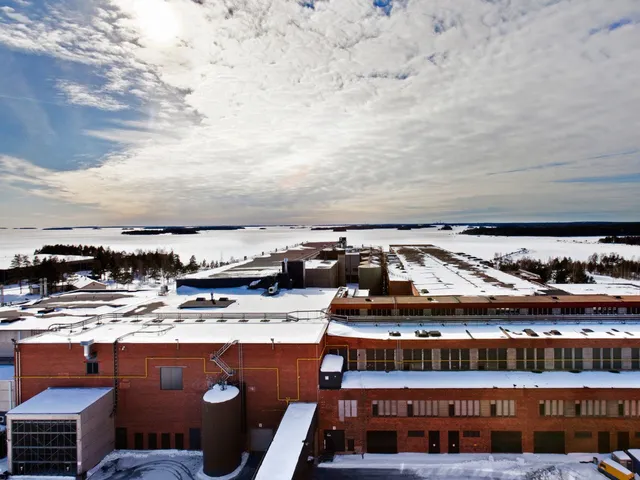
Finnish police are investigating possible environmental-law violations tied to Google's planned Muhos data centre, led by subsidiary Tuike Finland Oy. Regulators suspended work at Muhos and Kajaani-Otanmäki this month over incomplete environmental assessments, and preparatory work paused on 14 October.

The United States and Finland signed a Technology Prosperity Deal on October 29, 2026, a memorandum of understanding meant to deepen cooperation in artificial intelligence, quantum technologies, and research and industrial security. It also covers joint 5G and 6G work, interoperable quantum standards, post-quantum cryptography, and a separate Critical Minerals Framework.
Laws such as California's Training Data Transparency Act and the EU AI Act yield broad dataset summaries that fall short of meaningful accountability. The article argues that disclosures should also explain how training data is acquired, filtered and evaluated, including the benchmarks and judgment calls involved.

Canada has introduced a Telecom Competition Roadmap aimed at giving consumers more choices and affordable plans while improving network quality. The plan includes easier network access for competitors, measures to simplify switching providers and efforts to expand fibre and rural connectivity, with progress tracked by pricing, coverage and complaints.

Turkey saw an unprecedented number of court orders blocking X accounts in September 2026, with at least 1,270 accounts affected, according to EngelliWeb data. Authorities also closed the independent news site T24, and X made about 90 percent of the blocked accounts invisible inside Turkey.

Twenty House Democrats, led by Rep. Greg Casar of Texas, urged OpenAI CEO Sam Altman to protect whistleblowers and keep a pause on its most capable models until independent oversight exists. The 29 October letter also seeks answers about three fired safety researchers and security incidents.

A Digital Democracy Institute poll of 1,500 Latino registered voters finds broad support for stricter AI oversight and worries about data centers raising electricity costs and straining water. It reports support for risk assessments and independent reviews before AI systems are released.

The Census Bureau is seeking OMB approval to test automated and file-upload methods for business surveys, aiming to reduce reporting burden and improve data accuracy as survey response rates decline. The phased research began with more than 100 companies and may expand through 2027.