

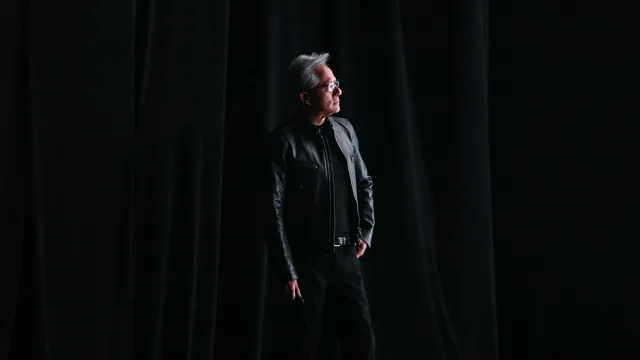
Jensen Huang resigned as Nvidia’s CEO and president following claims of an affair, a controversy an OpenUK executive said overshadowed Nvidia’s donation of the OpenShell agentic orchestration runtime at KubeCon 2026 in London. Nvidia also pledged support for Google-led Agent Substrate and said the companies were collaborating on integrating OpenShell with it.
Tech industry, products, and how technology shapes society
llama.cpp and its ggml tensor library reached v1.0.0, with the project saying future major version numbers will flag breaking changes in the public C API under ./include. The team reports support for more than 150 architecture variants and says the software runs on a wide range of hardware.
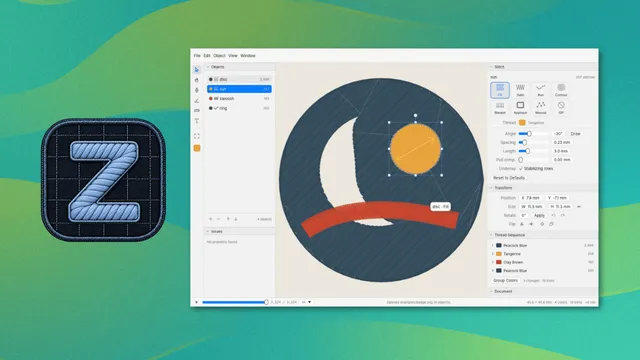
Kathy Korevec published ZigZag under the Apache 2.0 license, an embroidery design app she says was built with ChatGPT for her roughly $300 Brother Skitch PP1. It imports SVG and raster art, supports 11 stitch types, and bundles an MCP server that lets AI agents edit designs, while Bluetooth output is limited to the Skitch.
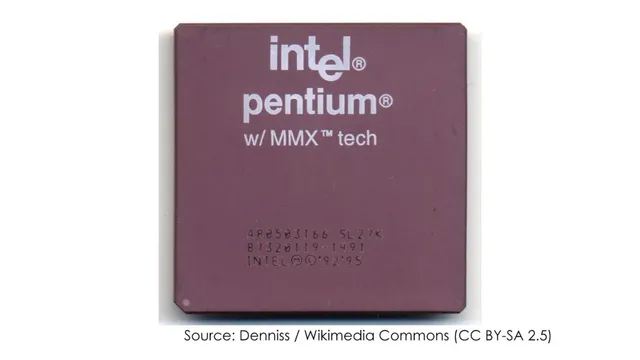
A three-patch series from Google engineer Eric Biggers would strip the last MMX assembly routines from Linux's software RAID code, removing 837 lines while adding 12. The patches are in Andrew Morton's development tree and are expected, though not confirmed, for Linux 7.5 in 2027.
Lorenzo Stoakes, a longtime reviewer of memory management code in the Linux kernel, announced in a new patch series that he is stepping back from many review duties, citing the volume of AI-generated submissions. He said he no longer has the bandwidth to review code outside the areas he maintains.
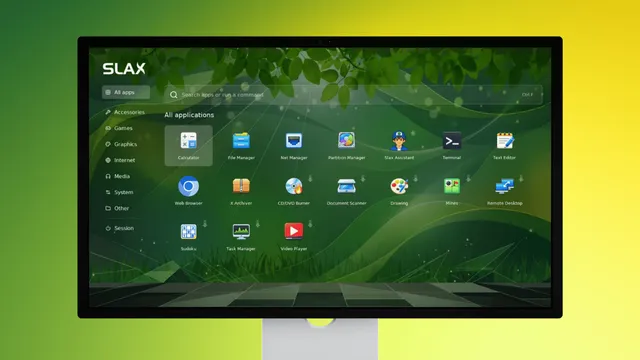
Slax 2026.11 marks the portable distro's return after a release gap reaching back to October 2023, built on Debian "Trixie" with the long-term-support Linux 6.12 kernel. It adds a graphical installer, several named sessions on one USB stick, Secure Boot via a signed bootloader and kernel, and a Slax Assistant that requires an online sign-in.
Discord has spent the past year improving its Linux client, including an updater that works across distributions and better Wayland support for Go Live video, with help from Igalia. It is now working with Igalia on per-app audio sharing in xdg-desktop-portal, with GNOME and KDE implementations underway.
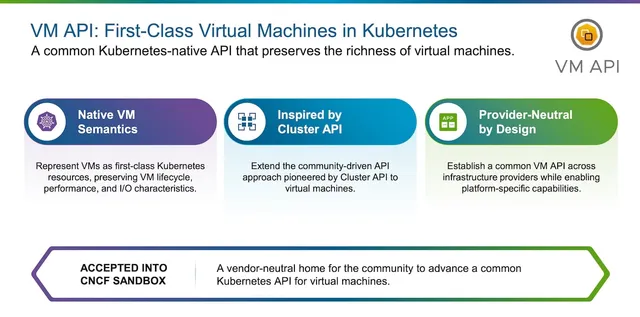
Broadcom announced at KubeCon that its VM API project has been accepted into the CNCF Sandbox, enabling virtual machines to be managed through Kubernetes APIs across different infrastructure providers. It also said it co-chairs a newly formed workload conformance group and that more than 20 partner products have been validated on its VKS Kubernetes runtime.
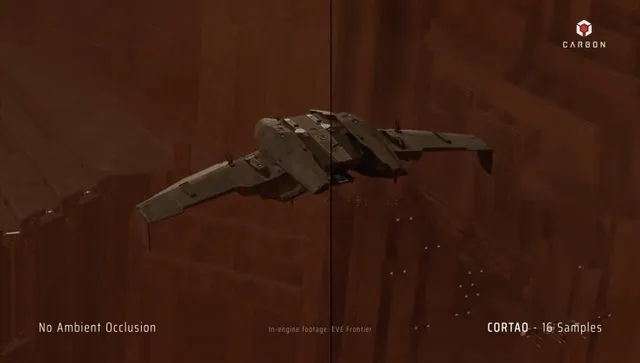
Fenris Creations, the studio behind EVE Online and EVE Frontier, has released CORTAO, a real-time ambient occlusion method that needs no baked scene data and aims to cut dark halos and shading shifts as the camera moves. The implementation is published on GitHub under the MIT license.
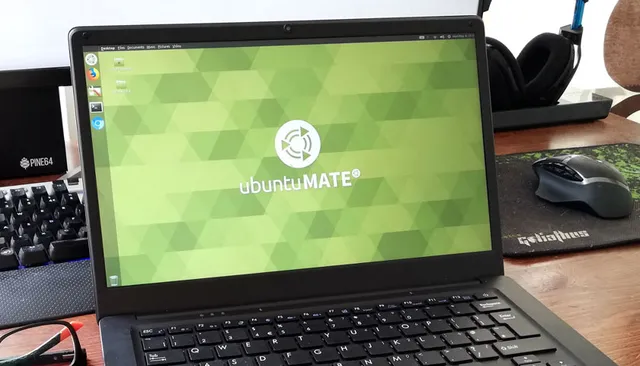
Kerem Söke is independently developing Polo, a Wayland compositor intended to keep MATE behaving much like its X11 window manager, Marco. Built on libweston, it already supports tiling, workspaces, clipboard, scaling and classic effects, but remains incomplete and needs volunteer testing.
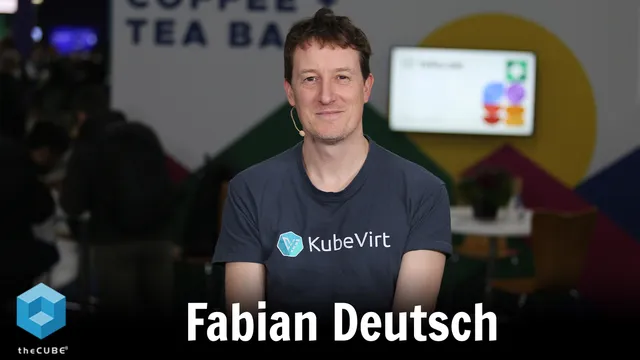
KubeVirt, which lets Kubernetes manage virtual machines alongside containers, has graduated from the Cloud Native Computing Foundation seven years after joining its sandbox. Red Hat's Fabian Deutsch says OpenShift 5 is meant to run containers, VMs and AI workloads through a single control plane.
New CNCF and SlashData research counts more than 21 million cloud-native developers, or 41% of developers worldwide, with about 75% using AI versus roughly 55% of others. It also describes maintainers facing a surge of agent-generated pull requests and a coming focus on token and model spending.
Kwi reported a week of terminal emulator fixes and interface refinements, including support for libghostty-vt v1.0 and its stable API/ABI for headless terminal emulation. The project expects to finish KDE Review on November 18 and then tag a v0.1 release for Flathub.
Nvidia CEO Jensen Huang resigned Thursday after admitting an affair with a person identified as an alleged Chinese spy. His departure raises doubts about whether the company will keep supporting open-source AI, including a pending $13 billion Hugging Face acquisition, with CFO Colette Kress named interim CEO.
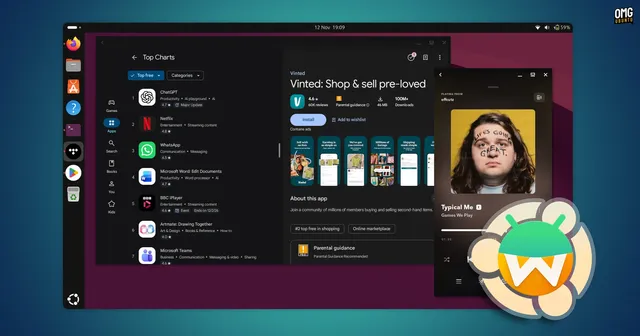
Waydroid, an open-source container for running Android apps, is now packaged in Debian, letting Ubuntu 26.04 LTS users install it with a single apt command. It runs LineageOS rather than a virtual machine, though it is limited to Wayland systems and depends heavily on the host's hardware.
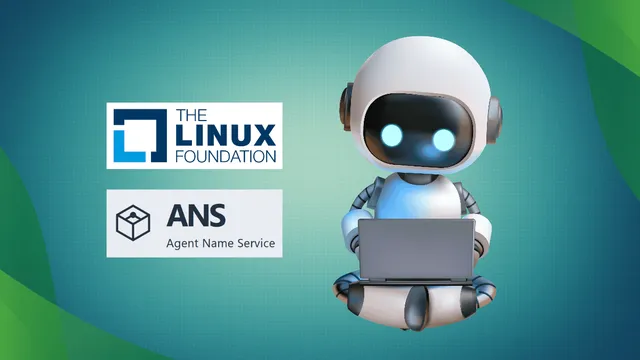
The Agent Name Service, which ties AI agents to domains their operators control and logs registrations publicly, now operates under the Linux Foundation. Eleven organizations are involved, and a technical steering committee is starting with five seats while the charter caps any company below half and calls for public meetings.
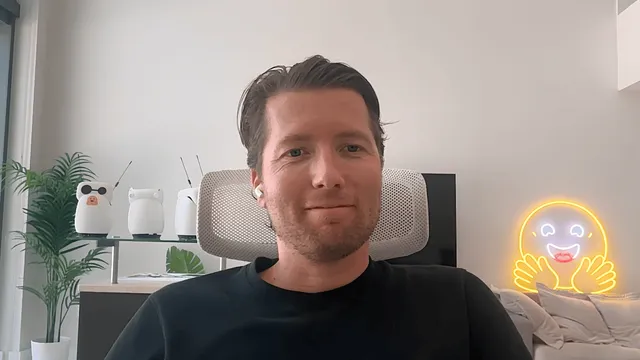
Hugging Face CEO Clément Delangue called Nvidia CEO Jensen Huang’s departure a sad day and said the company would keep advocating for open-source AI. Nvidia’s planned $12.9 billion acquisition of Hugging Face faces DOJ inquiries over competition, and its closing is set for the first half of 2027.
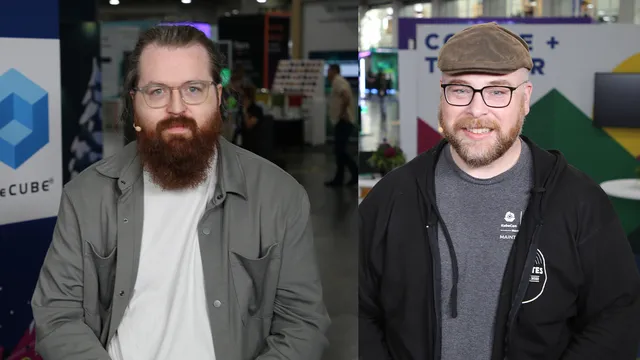
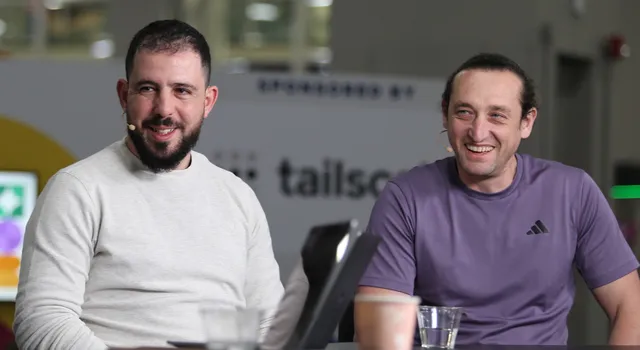
KubeVirt, an open-source project for running virtual machines inside Kubernetes clusters, has graduated from the Cloud Native Computing Foundation. Its Red Hat maintainers say they are steering it toward confidential computing, AI agent sandboxes and GPU resource allocation alongside containers.
A forum developer released Radeon-atieclxx-SSD-Fix, a free open-source tool that denies the SYSTEM account write access to a file that atieclxx.exe repeatedly copies into the Windows SYSTEM profile, so the service keeps running and FreeSync and Radeon hotkeys should keep working. AMD has confirmed the bug and plans a fix in Adrenalin 26.11.1, a driver not yet released.
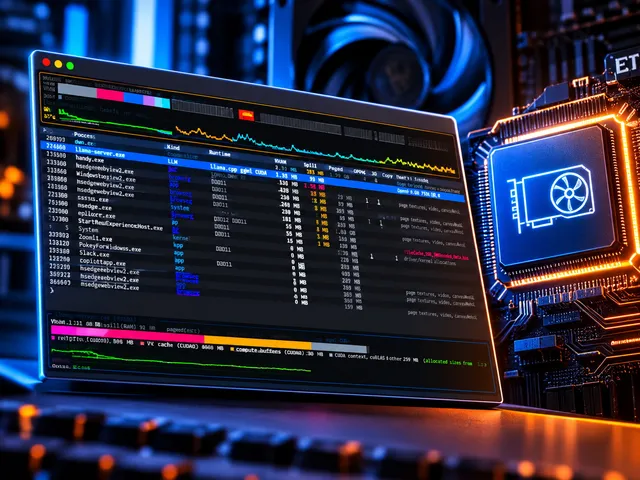
Microsoft vice president Scott Hanselman has released GPU Taskman, a free open-source utility that reports how much VRAM individual processes consume, filling a gap in the standard Windows Task Manager. The Python-based tool supports Windows, Linux and, with limits, macOS, works with NVIDIA and AMD cards, and can break down memory used by local AI models.