Nearly 100 holes melted into Antarctic ice form the largest neutrino detector ever built. A founding leader of the project that turned this frozen observatory into reality has just been named a Nobel laureate in physics.
— via NASA Breaking News
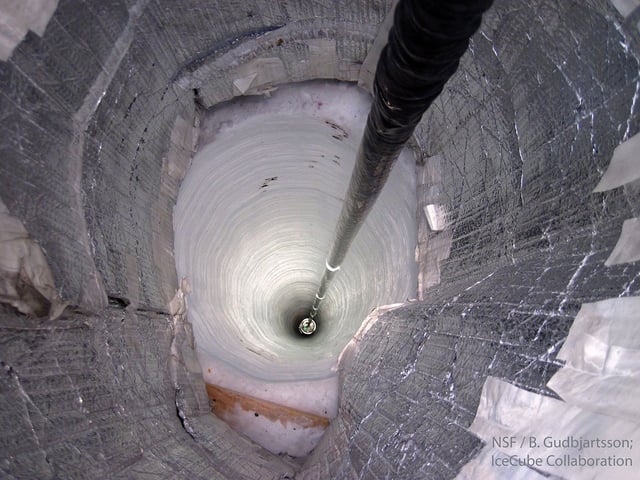
Nearly 100 holes melted into Antarctic ice form the largest neutrino detector ever built. A founding leader of the project that turned this frozen observatory into reality has just been named a Nobel laureate in physics.
— via NASA Breaking News
NASA packed 12 experimental capsules into a cargo ship full of station trash, using its fiery reentry to test next-generation heat shield materials. The data could shape protection for future Moon, Mars and even Titan missions, at a fraction of the usual cost.
— via NASA Breaking News, Tara Friesen
NASA wants private companies to replace the International Space Station, and it just released the final rules for bidding. Proposals are due Dec. 8, with contract awards expected in spring 2027.
— via NASA Breaking News, Jessica Taveau

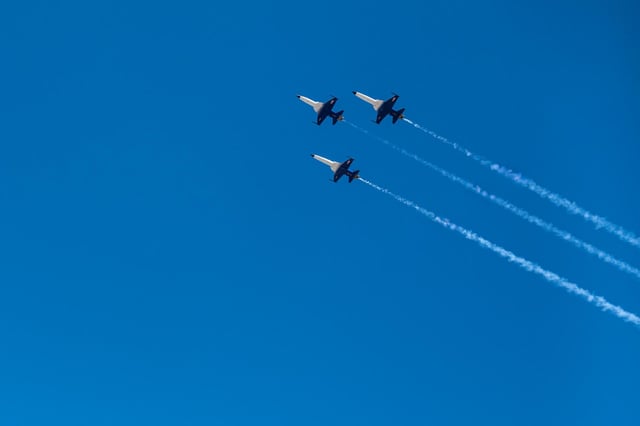
NASA's administrator is trading a rocket for a fighter jet cockpit, flying an F-5 over MetLife Stadium to open Sunday's Jets-Browns game. The flyover kicks off NASA's Inspiration Tour, which wraps in November with a Kennedy Space Center expo for America's 250th anniversary.
— via NASA Breaking News, Jessica Taveau

Four astronauts splashed down off Los Angeles Thursday after 237 days in orbit and more than 100 million miles traveled. Their work included growing stem cells for therapies and generating IV fluid on demand, research NASA says is paving the way for Moon and Mars missions.
— via NASA Breaking News, Lauren E. Low

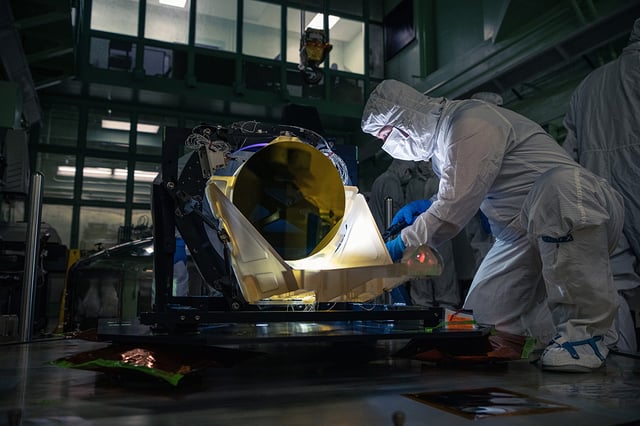
NASA just moved closer to flying a telescope built entirely of glass, designed to catch gravitational wave ripples smaller than a helium atom across a 1.6 million-mile satellite array. The new Engineering Test Unit is the last pre-flight version before hardware heads to ESA for a mid-2030s launch.
— via NASA Breaking News

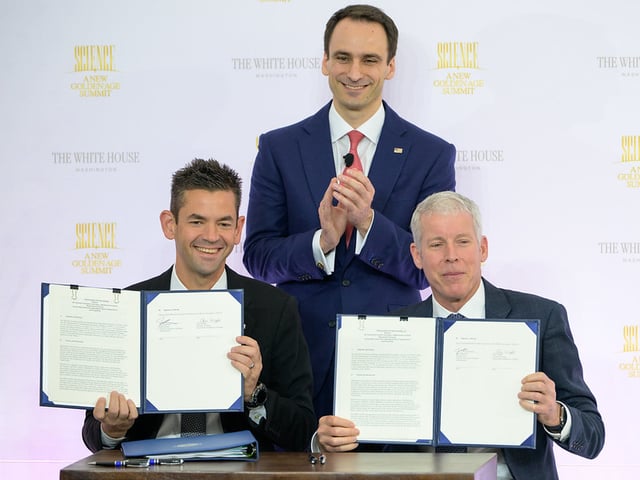
NASA and the Energy Department just signed a deal to build a launch-ready lunar fission reactor by 2030, with a test reactor, Space Reactor-1 Freedom, flying in 2028. The agreement covers everything from fuel production to launch, aiming to power a permanent Moon base and eventually Mars missions.
— via NASA Breaking News, Gerelle Q. Dodson

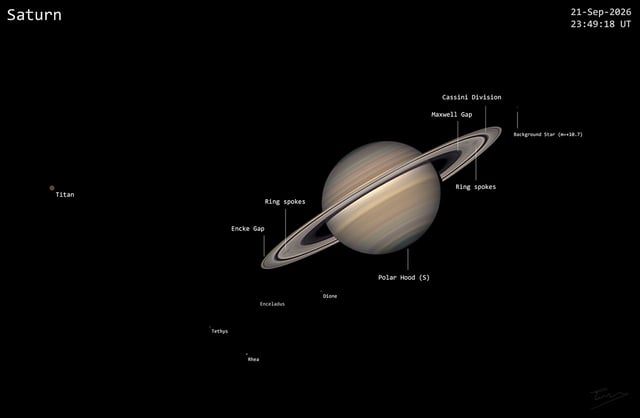
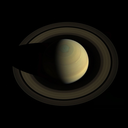
One rare night of calm UK sky and a trick called lucky imaging, stacking thousands of fast exposures, turned into an unusually crisp shot of Saturn, its moons Titan and Enceladus, and the rings' faint spokes. The timing helps too: Saturn hit opposition on October 4th, putting it closer and fully lit.
— via NASA Breaking News

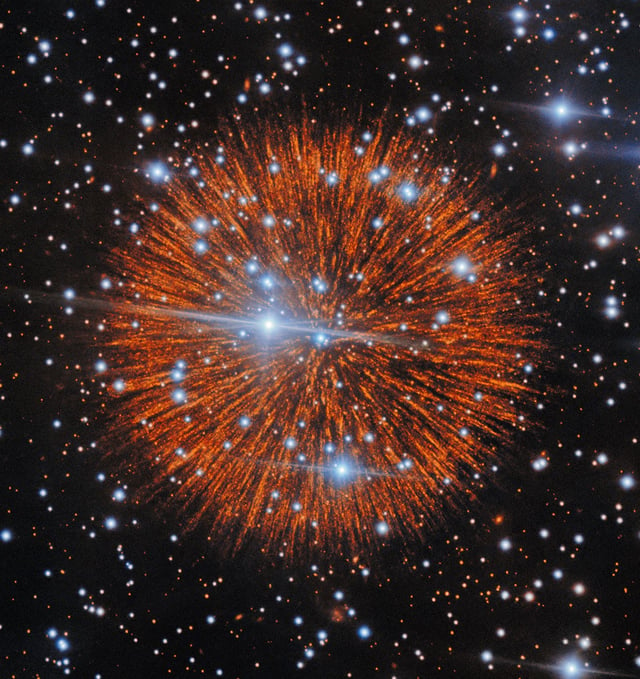
Today's featured image comes from the Gemini Observatory, processed by a NOIRLab team and credited to a Harvard-Smithsonian-led project. No details yet on what the cosmic subject actually is.
— via NASA Breaking News
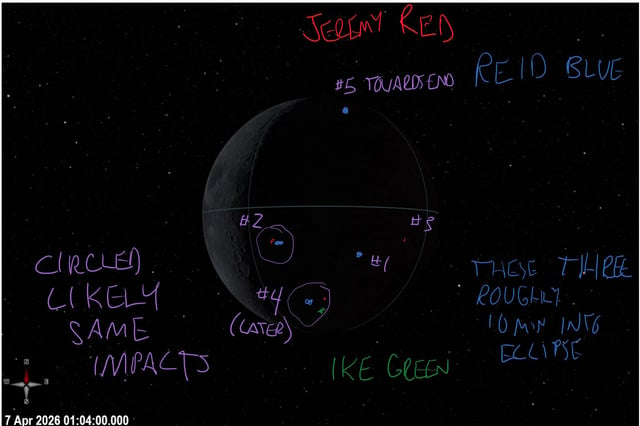
Artemis II astronauts spotted five faint "pinprick" flashes on the Moon's surface from 46,000 miles away aboard Orion, each one a rocky fragment slamming into the lunar surface. NASA has now released the crew's full lunar science dataset, including crew audio, for anyone to study.
— via NASA Breaking News, HQ Web Team

On sol 4,982, Curiosity caught sunrise hitting wind-carved yardangs on Mount Sharp, a layer that may mark a gap in the mountain's climate record where erosion once struck. One theory: it's ancient volcanic ash, and the rover skipped its usual white-balancing to capture the scene as dawn actually looked.
— via NASA Breaking News
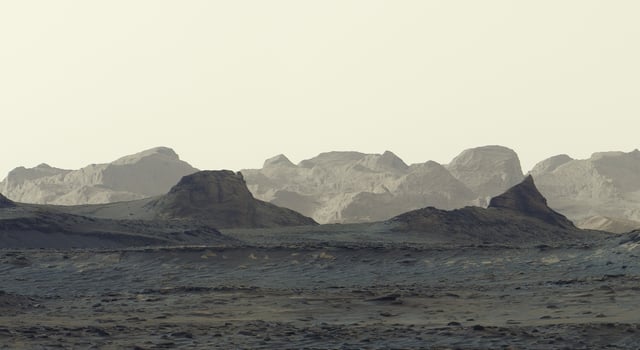
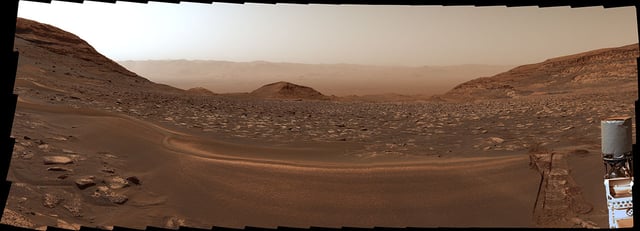
Curiosity just passed 1 kilometer of elevation on Mount Sharp, a decade-plus climb since 2014. A new 95-image panorama looks back over Gale Crater, catching a wheel-dug trench and a sand ridge scientists hope will explain its own formation.
— via NASA Breaking News
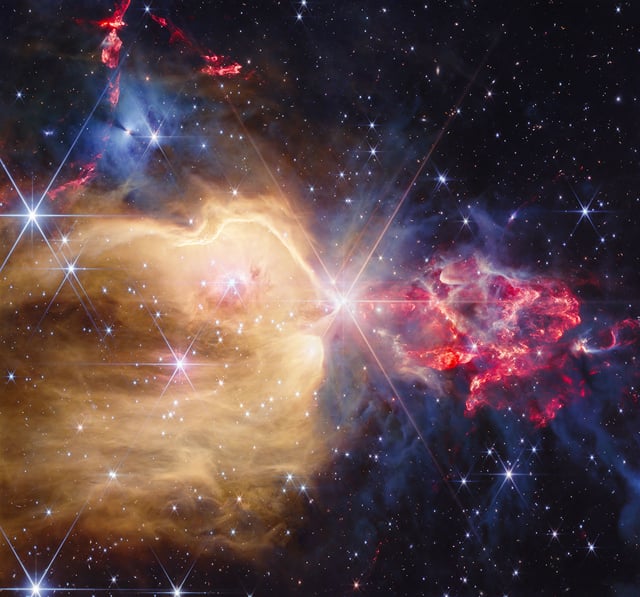
Webb peers through 3,300 light-years of dust to catch a star nursery mid-birth, including a central star 5 to 8 times the Sun's mass carving a 3.5-light-year gold cavity in NGC 7129. Nearby, hidden protostars send out shockwaves that light the gas red.
— via NASA Breaking News
Curiosity just climbed higher than anything has ever climbed on Mars, and its latest panorama shows why scientists can't wait to reach the next layer: odd blue-tinted cliffs that look, in one scientist's words, "plastered on." One theory points to ancient volcanic ash.
— via NASA Breaking News, Stephen Carney

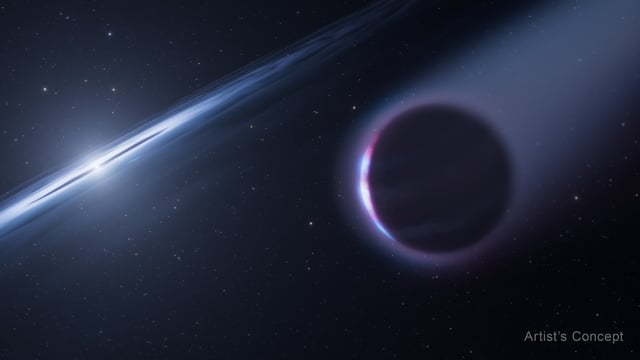
A dead star's chemistry suggests something unexpected orbits it: a planet that formed after the star itself had already died.
— via NASA Breaking News, HQ Web Team

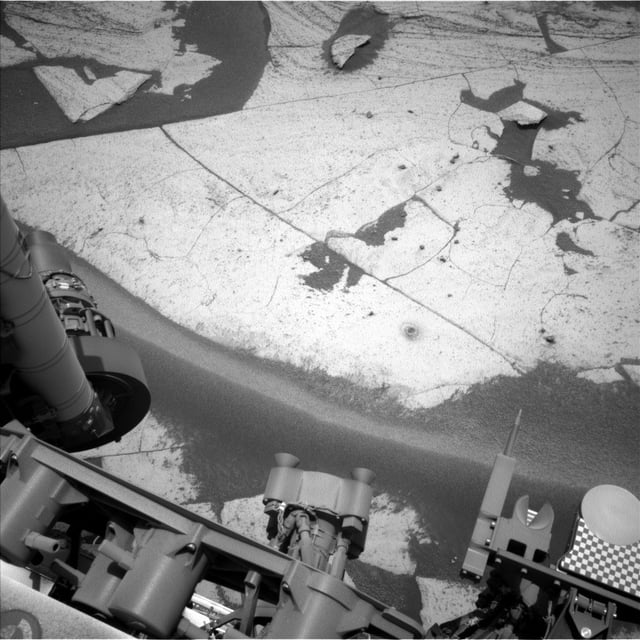
Curiosity's internal labs just got picky: CheMin data from the "Basque Lakes" drill sample determined whether SAM would bother analyzing it at all. Now the rover's laser spectrometer is reading volatiles, with a possible follow-up mass-spec run next week hinging on what it finds.
— via NASA Breaking News
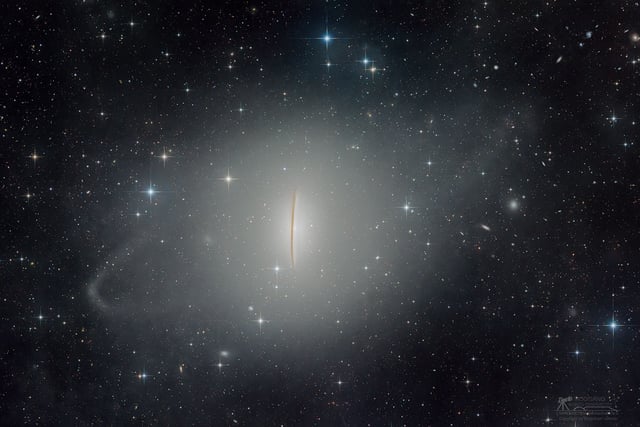
A seven-day exposure from Namibia exposes a hidden halo around the Sombrero galaxy, with a diagonal ring and tidal streams buried in the haze. The faint structure points to a violent history of past galactic collisions and mergers.
— via NASA Breaking News
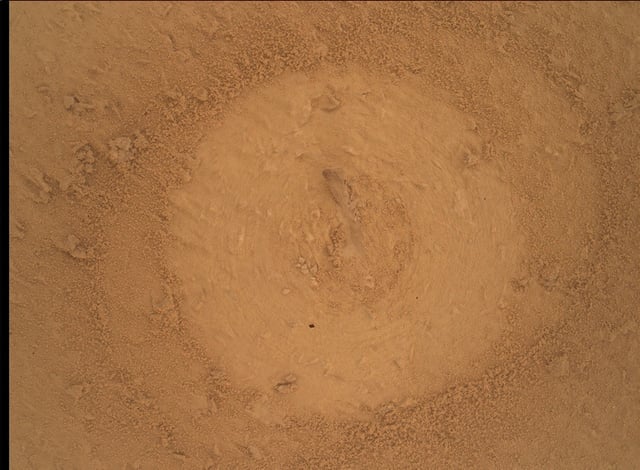
Curiosity just drilled its 48th rock on Mars, this one named "Basque Lakes" after a gold rush region in British Columbia with chemically unusual lakes. Scientists are waiting on X-ray analysis to see if the minerals inside match those strange Canadian lakes thought to resemble ancient Mars.
— via NASA Breaking News
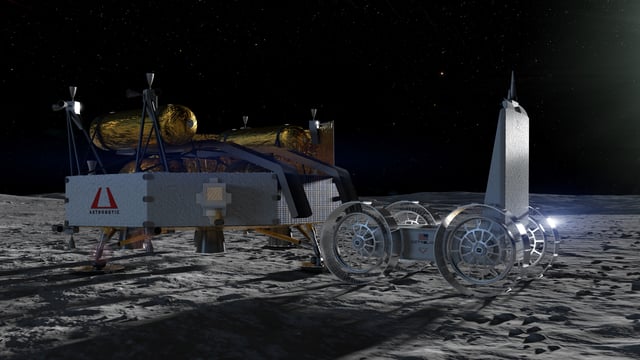
A NASA engineer never set out to work for NASA, a history major turned physicist who fell into a job cataloging what the agency doesn't know about the Moon. His team logged roughly 25 data gaps last year; they're aiming for 60 by year's end.
— via NASA Breaking News, Sondra Woodward

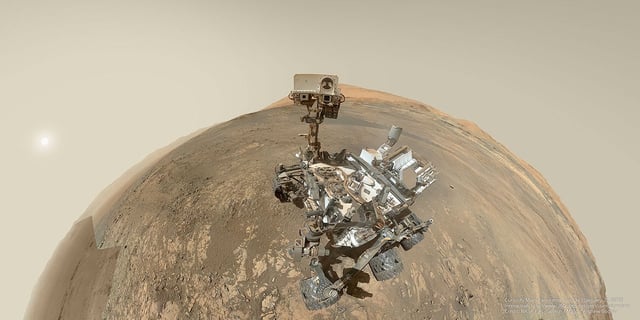
Curiosity snapped a 61-frame selfie at Vera Rubin Ridge back on sol 1943, arm edited out of its own shot. By August 2026 the rover had climbed a full kilometer up Mount Sharp since leaving the floor of Gale Crater.
— via NASA Breaking News