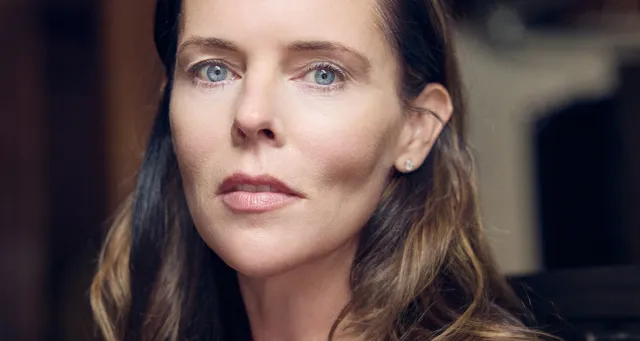
In an interview, Mary Beth Keane discusses Whale Harbor, her fifth novel, tracing an Irish family that migrates to England, Montana and New York. She explains how her father’s family history inspired the book while the novel remains fiction.
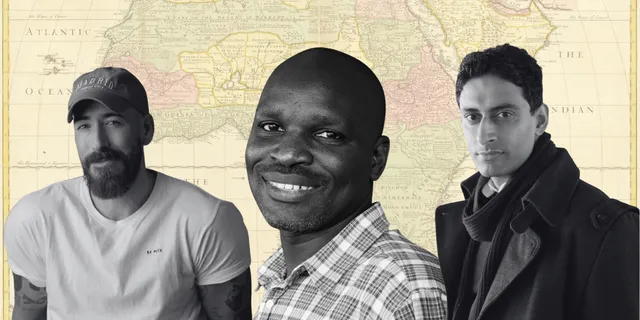
An interview with Karina M. Szczurek and authors Dilman Dila, Sven Axelrad and Faraaz Mahomed explores how ghosts, spirits and magical realism shape contemporary African fiction and its treatment of memory, identity and history.
The Sunday Epic profiles 'Bricklayer Bill' Kennedy, a former teenage prizefighter and construction worker who survived a 65-foot fall and later became a Boston Marathon champion. The story connects his colorful life to the early history of marathon running around the New York City Marathon.
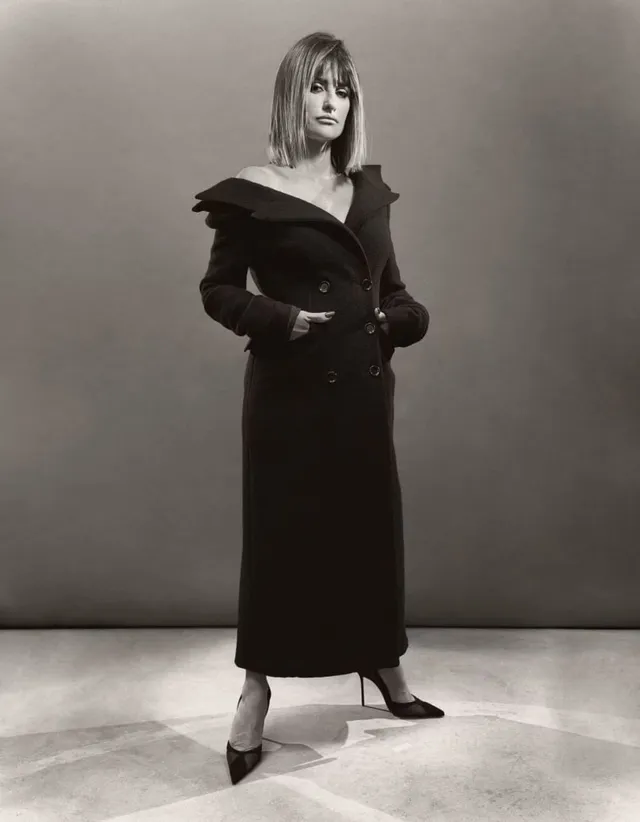
A New York Times profile by Marcela Valdes examines Penélope Cruz’s varied Hollywood career through her work on The Invite. Before shooting the comedy, Cruz told director Olivia Wilde she wanted a blond character; Wilde resisted, but Edward Norton recalls the wig astonishing them.
Hallie Shoffner, a sixth-generation soybean farmer who closed her family farm, is campaigning for the U.S. Senate in Arkansas on the state’s farm crisis. An August Hendrix College poll put her three points ahead of incumbent Tom Cotton, and his campaign and allies have spent more than $13 million, largely on attack ads.
Women now make up roughly 75 percent of recent mortuary program graduates, up from 5 percent four decades ago. A Los Angeles Review of Books piece by Andie Eisen interviews three deathcare workers about what drew them to a field once seen as impersonal and male-dominated.
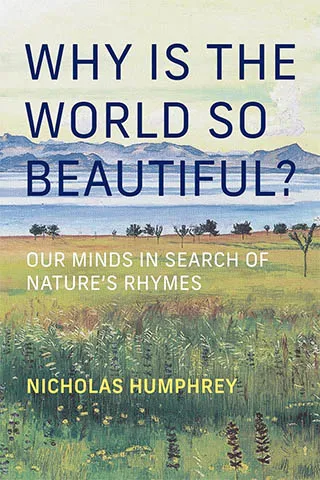
Evolutionary psychologist Nicholas Humphrey's new book, "Why Is the World So Beautiful?", argues that beauty exceeds simple utility. Drawing on Gerard Manley Hopkins's idea of "likeness tempered with difference," he proposes that we seek out beauty as rhyme, which trains our minds.
— via 3 Quarks Daily, S. Abbas Raza
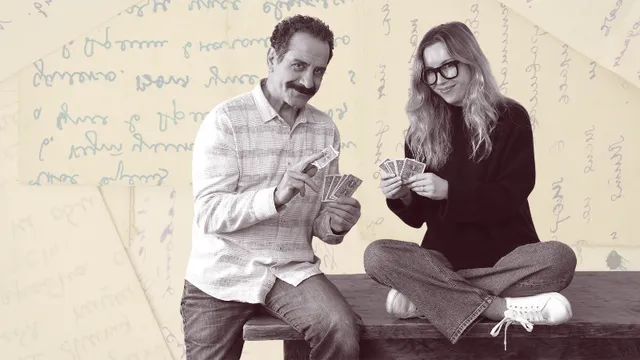
Josie Adams describes co-writing a culinary memoir with her father, actor Tony Shalhoub, in his first-person voice. She explains how the collaboration worked and how imagining his memories let her see him as an individual and speak, on the page, to a grandmother she never met.
— via Literary Hub, Josie Adams
A profile of Jim Morrison, who lost his wife and two children in a plane crash and later his partner Hilaree Nelson in a Himalayan avalanche. He kept pursuing risky goals, culminating in the first ski descent of Everest's north face via the Super Direct route.
— via Longreads, Carolyn Wells
The MTA's Arts & Design team and the Poetry Society of America choose the poems for the subway's Poetry in Motion program through a low-bureaucracy, intuitive process. They favor short, uplifting work by living poets, and the program reaches thousands of posters and screens across the system.
— via Literary Hub, James Folta
On June 23, Marc Bloch and his wife Simonne were interred in Paris's Pantheon, making him the first historian so honored. The profile traces his path from WWI officer and medievalist to Resistance member executed by the Gestapo in 1944.
— via 3 Quarks Daily, Robin Varghese
Sociologist Nicole Bedera discusses the Cornell 7 case and her book On the Wrong Side, tracing how Title IX came to cover sexual violence and how universities mishandle reports. She explains how the first Trump administration's regulatory changes made it easier for schools to avoid accountability.
— via Literary Hub, Fiction Non Fiction