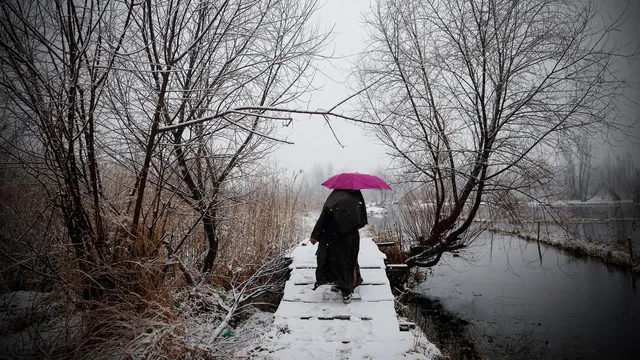
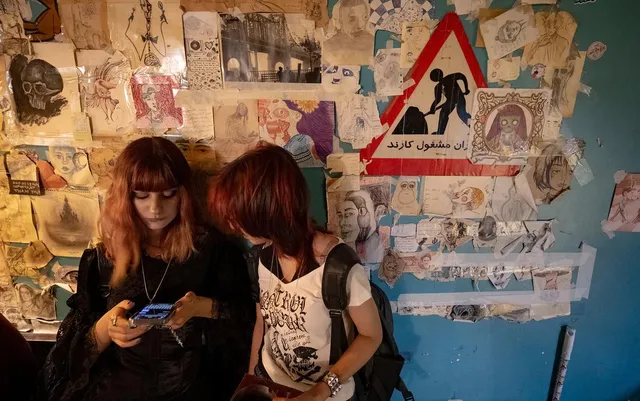
On Tehran's Iranshahr street, young women increasingly go without headscarves and manteaus, a quiet shift the article links to earlier hijab protests and Mahsa Jina Amini's 2022 death. Enforcement has shifted toward closing cafés and blocking accounts, and an official said war conditions limited full hijab enforcement.
In-depth journalism, essays, and investigative reporting worth reading
Megan J. Arlett reflects on living in Portales, New Mexico, where summer's stillness mirrors the doldrums, and on a planned weeklong break from the internet after months of academic work left her exhausted. She describes teaching, wedding planning and scroll-filled days as she tries to reconnect with writing and reading.
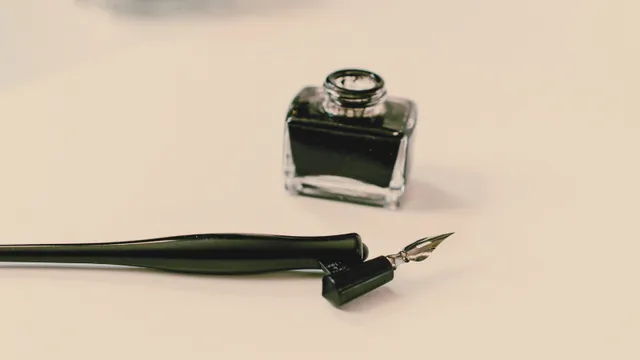
A recipe recorded by the UK National Archives around 1483 describes iron gall ink, which the excerpt says wrote works including Hamlet, the Declaration of Independence and Beethoven’s Fifth. It also traces Henry Stephens, a physician and friend of John Keats, whose Southwark-registered company produced an indelible blue-black ink that became standard for official documents.
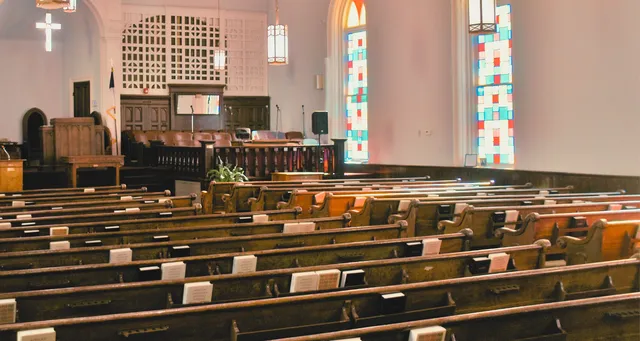
The essay explores the narrator’s effort to understand her grandmother Barbara Jean Fleetwood’s religious devotion through the songs she sang. It traces Fleetwood’s family from Alabama to Ohio, her 1929 birth after they settled in Hamilton, and her long service as music director at Mount Ebal United Holy Church.
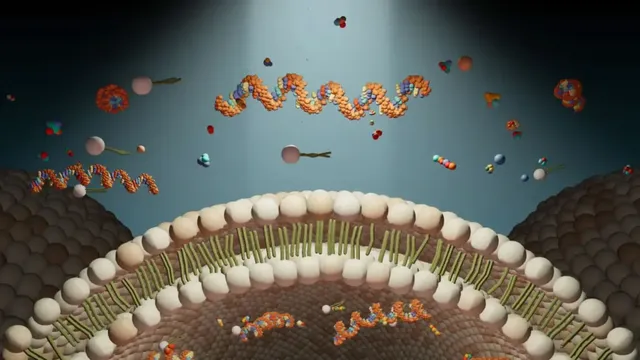
Origins-of-life research has shifted as a new generation of scientists abandons the search for a single starting molecule. Experiments suggest many biological precursors could have formed readily on early Earth, though how those reactions became a stable evolutionary system remains unresolved.
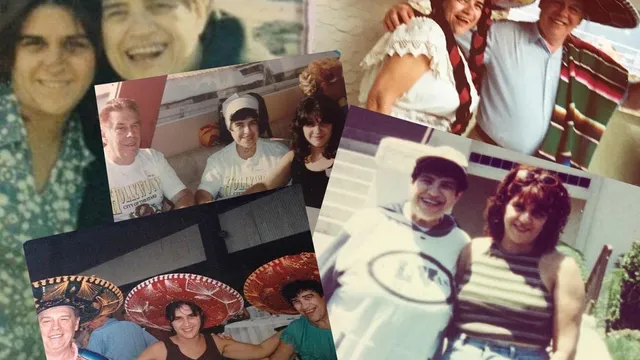
The author reflects on selling her parents’ Queens co-op, which she listed in January 2025 after keeping it for two decades. She recounts her mother’s death after a 2004 car crash in Mexico and her father’s death following brain-tumour surgery.
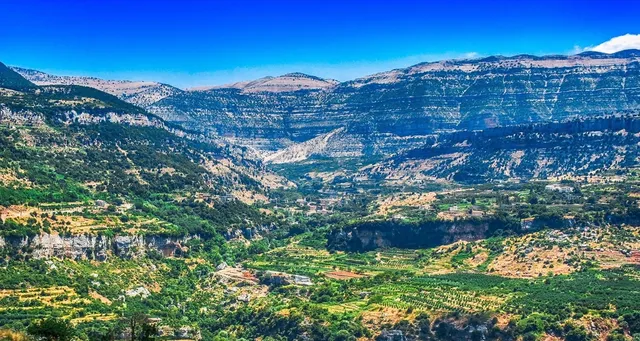
The narrator recounts how her father recreated his Lebanese hillside childhood in Southern California and later France, then returned with her in 2025 to the family home near Beirut, fifty years after fleeing Lebanon’s civil war. The essay explores identity, inheritance and the pull of place.
Ahead of Grand Theft Auto VI, the first new entry in the series in 13 years, anticipation has run high enough that an extended reveal overwhelmed Netflix's servers in August. For The Guardian, Christian Donlan speaks with developers, fans and critics about what makes Rockstar's franchise so influential, emphasizing the density of incidental detail over sheer variety of activities.
A clinical psychologist explains how to support a loved one whose beliefs seem delusional, describing the signs clinicians look for. The piece advises staying connected and asking curious questions instead of directly challenging the belief.
An essay traces the materials of a Helsinki building that housed the Soviet mission and was struck twice by Soviet bombs during World War II. After demolition, about 800,000 bricks went to a new technical university campus in Espoo, where the student village later lodged Eastern Bloc athletes during the 1952 Olympics.
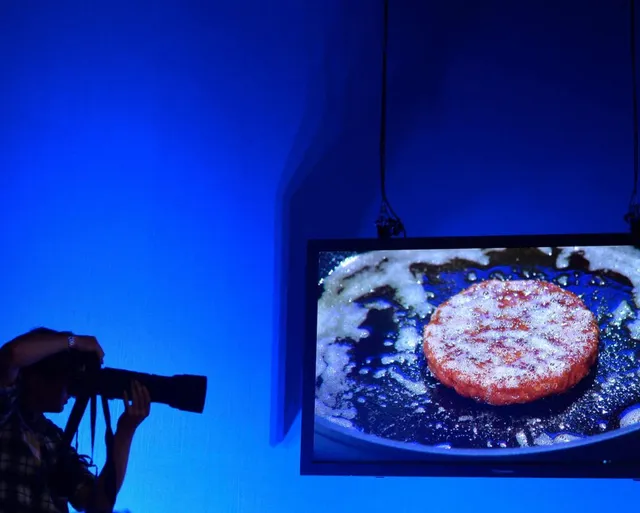
In 2013, Mark Post, a professor at Maastricht University, unveiled a lab-grown burger made from cattle cells, funded by Sergey Brin at a cost of €250,000. The burger was tasted publicly in London, and Post believed such meat could cut greenhouse-gas emissions.
The author remembers Naaz, a Kashmiri science teacher she met on a bus in 2005, who wrote after India revoked Jammu and Kashmir’s semi-autonomous status and disrupted communications in 2019. After Naaz suffered a brain hemorrhage following childbirth and died in March 2024, the essay reflects on grief, motherhood and shared memory.
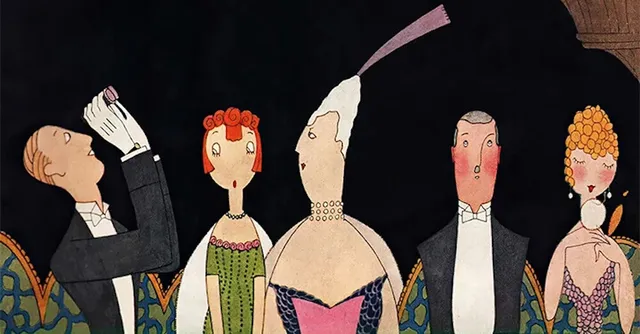
A former Vanity Fair editorial assistant describes working under editor Tina Brown and cover editor Jane Sarkin, and how the magazine negotiated with stars' representatives while keeping legal openings in contracts. The excerpt recounts cover fights, including Diana Ross's unsuccessful suit against Condé Nast over alleged misquotes and Jodie Foster's win after being displaced by Princess Diana.
Poet Kelly Grace Thomas explains how she shaped her verse memoir Future Tense into a page-turner by using a three-act narrative, escalating stakes and deliberately withheld information. She lays out five craft techniques and points to other collections that build forward momentum.
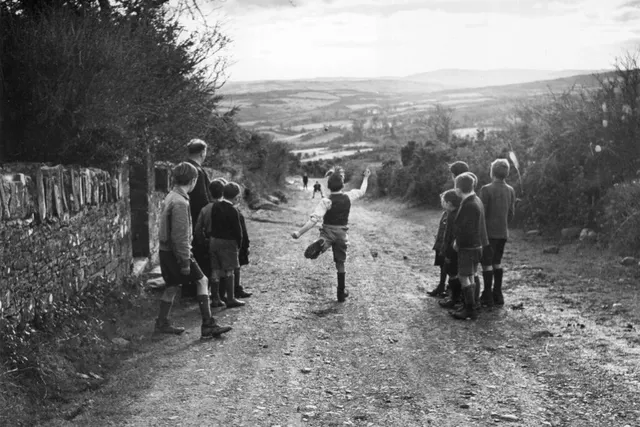
Irish road bowling, in which teams throw a small cannonball down a road, is gaining followers in West Virginia. Ireland is seeking UNESCO intangible-heritage recognition for the sport, while the article traces a possible Civil War-era link and David Powell’s role in reviving it.
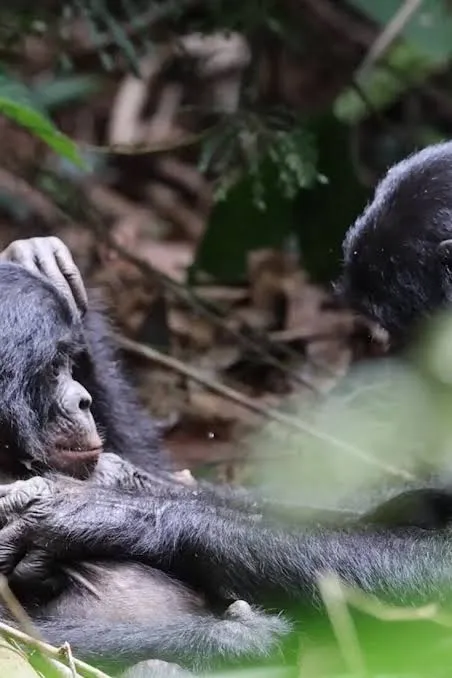
New research in Current Biology reports that female bonobos hunt, challenging the “Man the Hunter” model of early human societies. Jake Brooker of Utrecht University, who was not involved, says the findings challenge the male-warrior idea of an ancestral hunter.
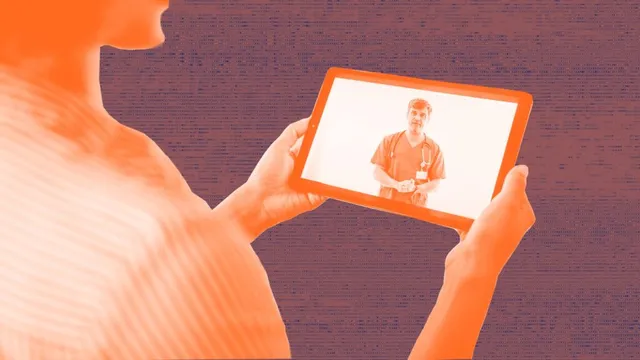
Thousands of nurses and aides in the Philippines work as independent contractors for U.S. healthcare companies, handling tasks such as intensive-care monitoring, insurance checks and appointment reminders. They earn $5 to $10 an hour while helping address a U.S. registered-nurse shortfall of nearly 80,000, compared with average U.S. RN pay above $45 an hour.
Sam Anderson recounts traveling to California’s Big Bear Lake after becoming absorbed in a livestream of two bald eagles raising chicks, encountering bird enthusiasts and residents captivated by the birds. The story follows the chicks’ spring hatching and growth as online viewers celebrated.
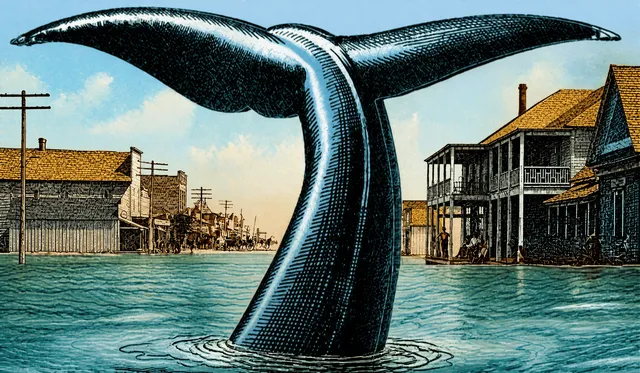
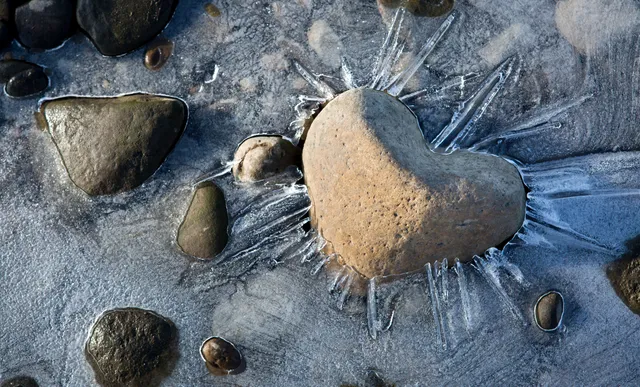
Ravenna Koenig reports from Utqiaġvik, Alaska, where sea ice that long shielded the coast and served Iñupiat whalers is thinning, forming later and breaking up sooner, while oil and gas taxes supply most regional government revenue used to adapt. The Longreads essay pairs that reporting with a personal account of a close friendship strained by her move north.
Hanna Saltzman's Virginia Quarterly Review essay pairs the history of radiology with her own family's generations of medical professionals, who championed X-rays' benefits while enduring their damage. It recounts early injuries, including Thomas Edison's glassblower Clarence Dally developing cancer and Edison's stated fear of the rays.