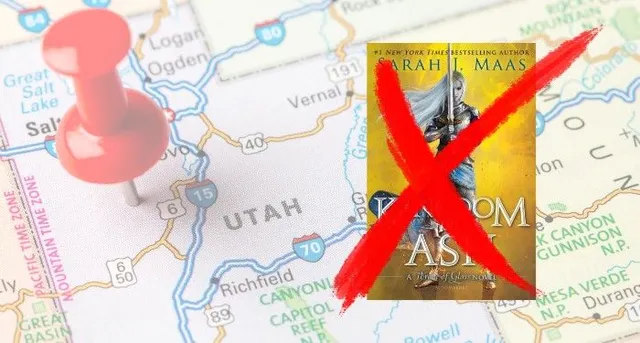
Utah added Sarah J. Maas's Kingdom of Ash to its statewide school ban list, raising the total to 45 titles and accounting for 26 additions since January. Under HB 29, effective July 1, 2024, removals in three districts or two plus five charter schools can trigger a ban in all public schools.
Literature, criticism, publishing, and the reading life
Jennifer Croft traces postcards from Heinrich von Stephan's rejected 1865 open post-sheet proposal in Karlsruhe to their role as intimate, exposed messages, interweaving this history with a memoir of falling in love in Buenos Aires.
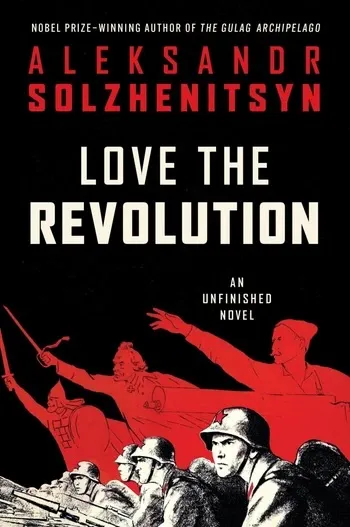
Aleksandr Solzhenitsyn began the unfinished autobiographical novel Love the Revolution in 1948 while serving a Soviet prison sentence; it appeared in Russia in 1999 and is due in English next month from HarperCollins. In the excerpt, Private Gleb Nerzhin is at Durnovka village in January 1942 as a political commissar and a junior lieutenant rearrange his posting.
A recipe recorded by the UK National Archives around 1483 describes iron gall ink, which the excerpt says wrote works including Hamlet, the Declaration of Independence and Beethoven’s Fifth. It also traces Henry Stephens, a physician and friend of John Keats, whose Southwark-registered company produced an indelible blue-black ink that became standard for official documents.
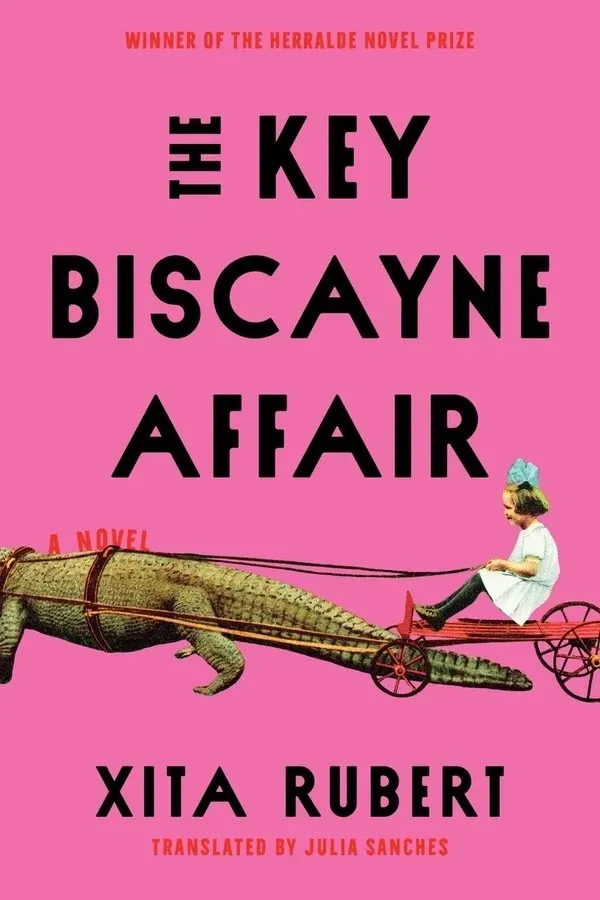
An excerpt from Xita Rubert's novel The Key Biscayne Affair, translated by Julia Sanches, recounts a family being questioned at a Miami airport after a metal detector repeatedly beeps on the father. He is briefly taken aside after pressing cash into an officer's hand, then returned to his children.
Goodreads' latest weekly ranking puts Sarah J. Maas's A Court of Splintered Harmony first with 119,000 readers, more than triple the 40,000 for Freida McFadden's The Witch. The list also notes new interest in Suzanne Collins's Sunrise on the Reaping ahead of its film and highlights LeVar Burton's memoir and Gracie Marsden's Taiwanese-mythology-inspired debut.
Poet Kelly Grace Thomas explains how she shaped her verse memoir Future Tense into a page-turner by using a three-act narrative, escalating stakes and deliberately withheld information. She lays out five craft techniques and points to other collections that build forward momentum.
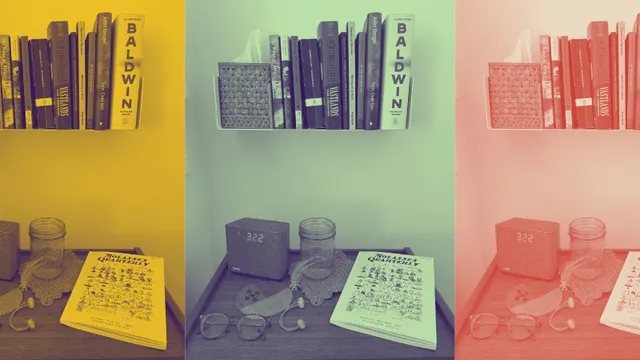
Translator Katrina Dodson marks the hundredth Annotated Nightstand column with her reading stack, including a new Clarice Lispector paperback, Covert Joy, and books by Nicholas Boggs and Tom Overton. She also praises Alison Entrekin's forthcoming translation of João Guimarães Rosa's Vastlands.
Jacob Elordi will star in and produce an adaptation of Norman Mailer’s Pulitzer-winning 1979 book The Executioner’s Song; Lawrence Schiller will executive-produce. Elordi is to play Gary Gilmore, the convicted murderer whose insistence that his death sentence be carried out and the media frenzy around the case are central to Mailer’s novel.
Stephanie Howard, former director of the Pickens County Public Library in South Carolina, filed a 60-page wrongful termination lawsuit naming five defendants, among them a local conservative activist and library board members. The filing raises state open-records violations, defamation and civil conspiracy claims stemming from the board's ordered review of youth collections.
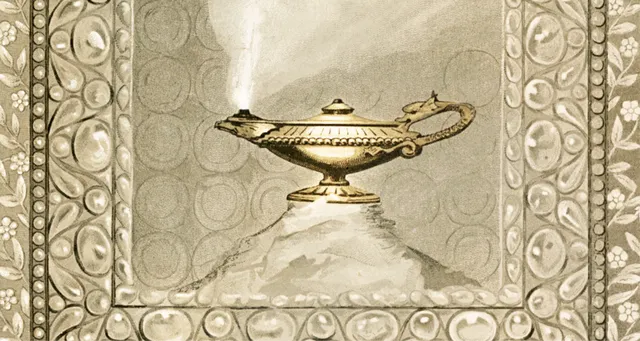
New archival research supports identifying Hanna Diab, an eighteenth-century Syrian adventurer, as the source of Aladdin, which Antoine Galland published in French without crediting him. A Vatican Library manuscript later identified as Diab's memoir helped raise questions about that omission.
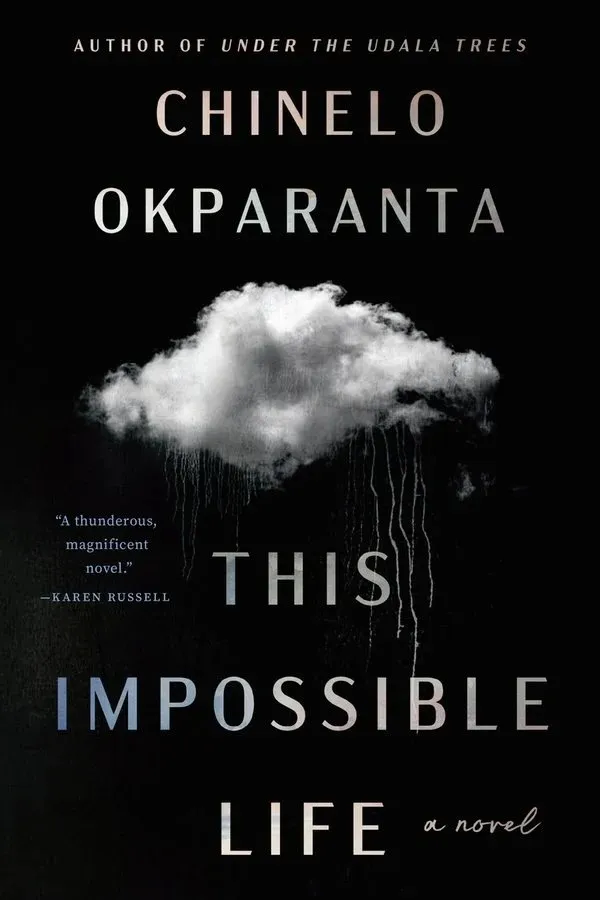
The narrative follows Alohan, a disfigured street beggar near the 3rd Mainland Bridge, as he watches vendors sell tickets to heaven before police break up the crowd. He is later blindfolded, put in a van with other young men and taken to a witch doctor's shack.
In an excerpt from her memoir Vocal Break, Lauren Elkin explores why singing feels physically and emotionally necessary, citing scientists' findings that group singing can stabilize mental health, reduce stress hormones and stimulate memory. She describes body-image pressures in musical theatre, including advice to lose ten pounds and have her nose done, and explains she eventually left performing for writing.
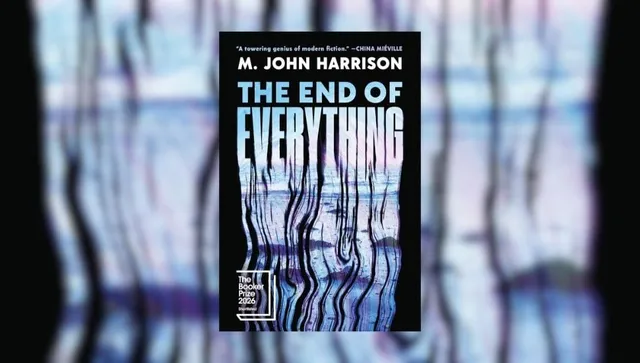
M. John Harrison's novel The End of Everything has won the 2026 Booker Prize, which honors fiction published in the UK or Ireland between October 2025 and September 2026. The winner takes £50,000 while shortlisted authors receive £2,500, and Mary Beard chairs this year's five-judge panel.
During Banned Books Week, three Santa Cruz high school seniors organized a benefit screening that sold out for the 2025 film The Librarians, raising $5,248 to buy banned and challenged books for city school libraries. A post-screening panel with local librarians and a student addressed how censorship affects readers and communities.
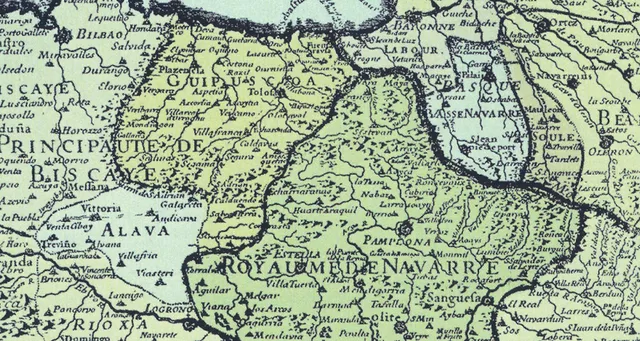
Basque writer Kirmen recounts growing up under Franco, when Basque names were forbidden, and describes how the language later expanded through schooling, radio and television. He argues that minority literatures thrive through contact and by welcoming new speakers rather than pursuing purity or enclosure.
Iranian writers in an English-language class describe trying to continue a collaborative project after what they call the January 2026 massacre in Iran and an internet blackout that disrupted their meetings. One participant notes that news media repeatedly reported 12,000 killed.
In 1731 Benjamin Franklin persuaded fellow members of his Junto improvement society to pool money for a shared collection, and the Library Company of Philadelphia's founding agreement was drafted that July. Only ten subscribers paid dues at a tavern that November, but the library soon reached fifty members, became America's first lending library, and still operates today.
A survey of library workers in 11 states found that Banned Books Week events and displays have often been ended or rebranded amid rising book bans, with Texas librarians citing Senate Bill 13 and related laws. Respondents in South Carolina, Missouri and Louisiana also described board, administrative or informal limits on displays and programming about censorship.
The weekly Goodreads most-read list is led by Sarah J. Maas's A Court of Splintered Harmony, with almost 173,000 readers and a 3.9 average rating. The top five also includes Rebecca Yarros's Threshing Day, Freida McFadden's The Witch, Caro Claire Burke's Yesteryear, and Maas's A Court of Silver Flames.