


Tech industry, products, and how technology shapes society

4 members Created Sep 2026

Privacy & Security

1.1K threads 0 followers
AI uncovers flaws in discontinued devices with no vendor left to patch them

Forescout researchers used AI agents built around Claude models plus conventional code scanners to examine 10 TCP/IP stacks and confirmed 99 vulnerabilities, 66 of them previously unknown, with 52% of the new ones rated high or critical. The team reported 54 of the newly found flaws to developers, and noted that some affected products, including discontinued devices, have no vendor left to issue patches.

The oldest gadget in your house could be your home network's biggest security hole

Internet-connected devices that no longer receive security patches can leave a home network open to attackers, and the FBI warned in 2025 that end-of-life routers are being compromised. A 2024 Consumer Reports study found that of 19 major smart-appliance brands, only three disclosed how long they would provide software support.

Git Patches Flaw That Lets Malicious Repositories Execute Code During Recursive Clones

Git issued version 2.56.1 and backports for the 2.50 through 2.55 series to correct CVE-2026-111760, an integer truncation that could let a malicious repository execute code during a recursive clone by replacing a submodule's .git file with a symlink to a folder of malicious hooks. GitHub has applied the fixes to its hosted services and published precautionary steps that it says do not substitute for installing a fixed version.

Trezor Confirms Hidden Implants in CryptoBilis-Sold Wallets That Can Steal Recovery Phrases

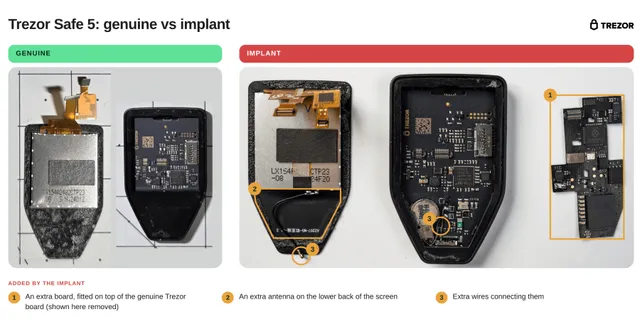
Trezor said three Safe 5 wallets bought from reseller CryptoBilis contained an extra circuit board that could copy recovery phrases and send them over a mobile network to attackers. It released firmware 2.13.1 to block the implants found so far and advised affected buyers to move funds to a new wallet with a fresh recovery phrase.

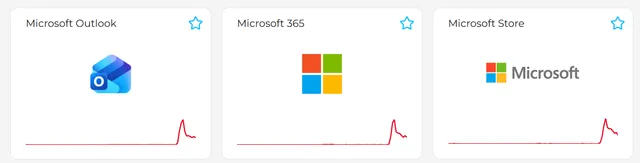
Phishers quick to exploit extended M365 outage

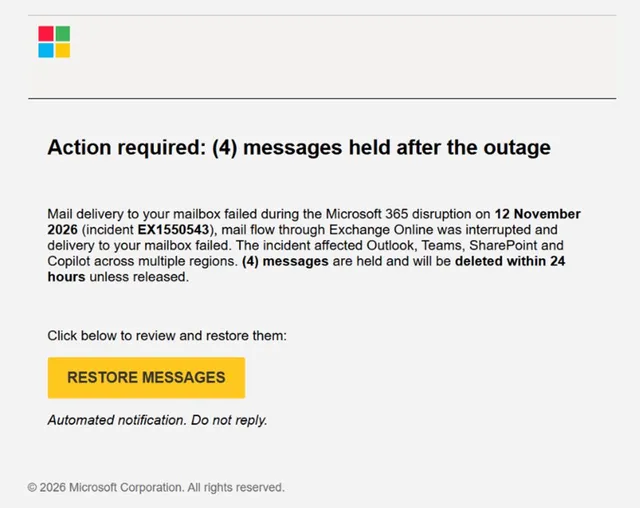
Microsoft Threat Intelligence observed an active campaign impersonating Microsoft 365 service health notices and referencing the real Exchange Online incident EX1550543. Some emails claimed held messages would be deleted within 24 hours and used SendGrid click-tracking links that redirected to another site; Microsoft called the activity consistent with credential phishing while saying this is unconfirmed.

Crafty Microsoft Teams Booking Flow Disguises Device Code Phishing

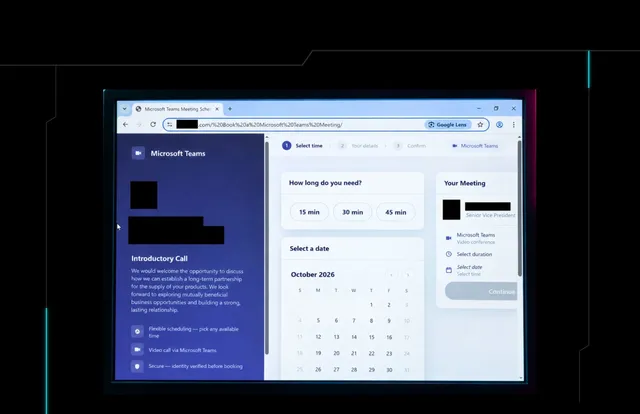
Huntress investigated a device-code phishing operation that hid Microsoft's genuine sign-in step inside a fake Teams meeting-scheduling site, using an impersonated executive, a typosquatted domain and clipboard copying to capture access tokens. The observed intrusion was contained before it escalated, and the report describes attacker fallbacks including a residential proxy hop.

The XG Files: Falcon C2 Flying Under The (Browser) Radar

Unit 42 says Falcon, also called XG or Xiàng Gē, is a browser-based command-and-control framework that used malicious JavaScript on webmail and government sites to steal credentials, emails, cookies and communications. Researchers identified government compromises in one Middle Eastern and four Southeast Asian countries from March to May 2026.

Announcing Zarf 1.0: Security and Stability for Airgap Software Delivery

Defense Unicorns shipped Zarf 1.0, an open-source tool for delivering software into air-gapped and constrained environments, with an emphasis on stronger package signing and verification plus more predictable upgrades. The release adds a v1beta1 package schema that replaces variables with structured values and ships migration tooling for existing packages.

The AI Security Gap Hiding in Routine Maintenance

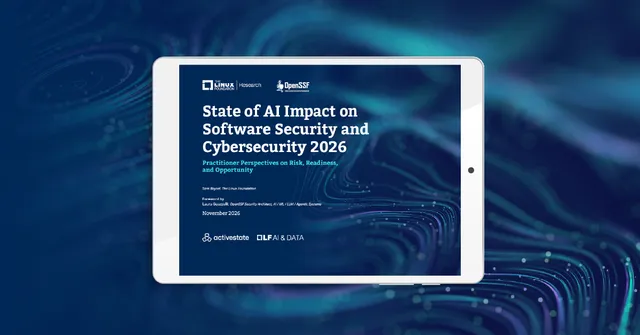
A Linux Foundation survey sponsored by OpenSSF, LF AI & Data and ActiveState found 83% of 308 security practitioners concerned about update-related maintenance and only 44% prepared. It also found 60% of organizations and projects said AI coding tools increased external dependencies, and reports dedicated AI security roles correlated with fixing most alerts right away but are not proof of cause.

Exchange for breakfast: Turla’s Cereal tricks are not for kids

A previously undocumented modular .NET malware toolset called Cereal was found on compromised Exchange servers at government organizations in Kazakhstan and Romania, one configured to collect NATO- and EU-related emails. Researchers attribute it to Russia-aligned Turla with high confidence and say a victim Exchange server acted as command infrastructure.

Uber drivers’ licence data stolen in Fireworks AI hack

Uber warned drivers that hackers stole personal and driver's licence data from vendor Fireworks AI, which told Uber on 9 October that hackers had stolen internal credentials. State attorney general notices list 7,870 affected people so far in Massachusetts, South Carolina and Rhode Island, with California and Illinois residents also notified without counts.